Romantic · 8% of filmsWry · 7% of films: Amused and slightly dry about it.
Told as
Three-act: Setup, confrontation, resolution — the default Hollywood shape.
ToneThe film treats its romantic leads with sincerity, emphasizing the emotional weight of their love, while also incorporating some satirical commentary on social issues.
The rideThe film starts with lighter romantic and satirical moods, builds tension through family disputes, and resolves heavily in the late stretch with a cathartic reconciliation.
StructureThe story appears to follow a conventional progression from romance to conflict and resolution.
How it leaves you
what you carry away
Bittersweet.
BittersweetWistful · 8% of films
Why it leaves you this wayThe doomed romance and family conflict leave a bittersweet, wistful feeling about love and loss.
How it ends · evidence
Bittersweet ending
The families resolve their dispute, but the journey may leave a lingering sense of what was lost or questioned along the way.
Story archetype
where it sits among all films
Every story archetype, clockwise from the top
Monster 21%: Predator 6% · Tyrant 6% · Invasion 2% · Oppressive state 2% · Corporate villainy 1% · Institutional injustice 1% · Class system under 1% · Technology turns under 1% · Inner demon 1%
Rags 3%: Underdog triumph 2% · Social ascent under 1% · Fame and fortune under 1% · Rise and fall under 1% · Hidden worth revealed under 1%
Quest 10%: Treasure hunt 1% · Rescue 4% · Mission 5% · Journey home under 1% · Pilgrimage 1%
Voyage 4%: Portal fantasy under 1% · Fish out of water 2% · Survival ordeal 1% · Time displacement under 1% · Descent 1%
Tragedy: A flaw or fixation drives the protagonist to ruin. · Doomed love: Love destroyed by circumstance (Brokeback Mountain).
9% of films fit this archetype
A loose fit — the map only half-holds this one.
Why this archetypeThe synopsis centers on a love that sparks a dispute between families, suggesting a doomed romance. The tragedy subtype 'doomed_love' fits the premise of love destroyed by external forces.
What it's about
7 groups · 53 themes
Every theme, clockwise from the top
Bonds 27% (this title): Romantic love 15% (this title) · Marriage 2% · Family bonds 21% (this title) · Parenthood 2% · Friendship 9% · Loyalty 4%
Self 22%: Identity 14% · Coming of age 5% · Aging under 1% · Self-worth 7% · Ambition 7% · Purpose 9% · Memory 3% · Obsession 3%
Power 7%: Power 2% · Corruption 3% · Greed 3% · Class 3% (this title) · Oppression 4% · Freedom 5%
Society 9%: Community 14% · Isolation 5% · Prejudice 3% · Displacement 1% · Faith 3% · Tradition vs change 2% · Fame 3% · Legacy 4%
Ideas 5%: Fate 1% · Free will under 1% · Truth 4% · Hope 5% · Nature 2% · Art 4% · Technology 1%
Bonds
Romantic love · 15% of filmsFamily bondsClass · 3% of films
Interrogates its theme: Questions its theme without settling the answer.Community stakes: Consequences reach a town, institution or group.Dual lead
How it treats its themeThe film centers on the love between two youngsters that sparks a wider familial conflict, exploring how romantic love challenges and is tested by family loyalty and social divisions.
StanceThe film interrogates how romantic love is entangled with family honor and regional pride, presenting the conflict without fully celebrating or condemning either side.
The world
ContemporaryRuralSuburbanRealistic
Orchestral modernFolkForeground music · original score · Mani Sharma
SettingA village or small town in the Andhra-Pradesh region of India
MusicMani Sharma's score likely underscores both romantic and tense moments, a hallmark of Telugu cinema of the era.
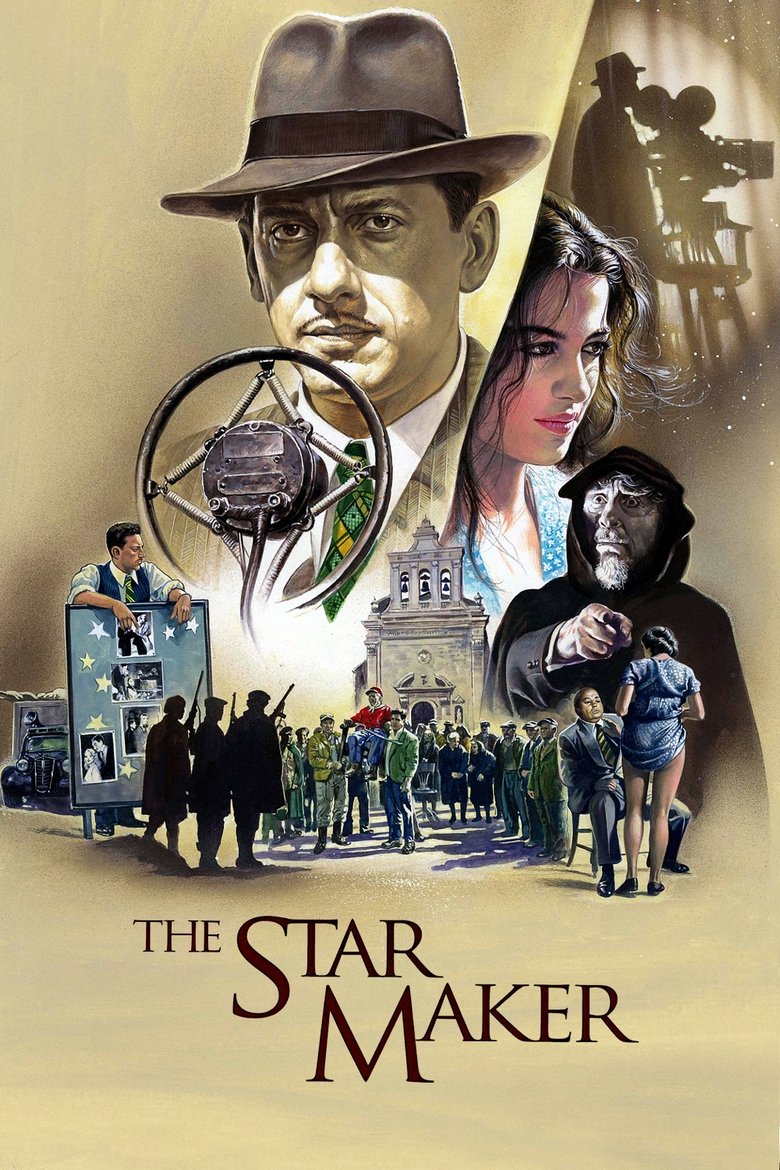
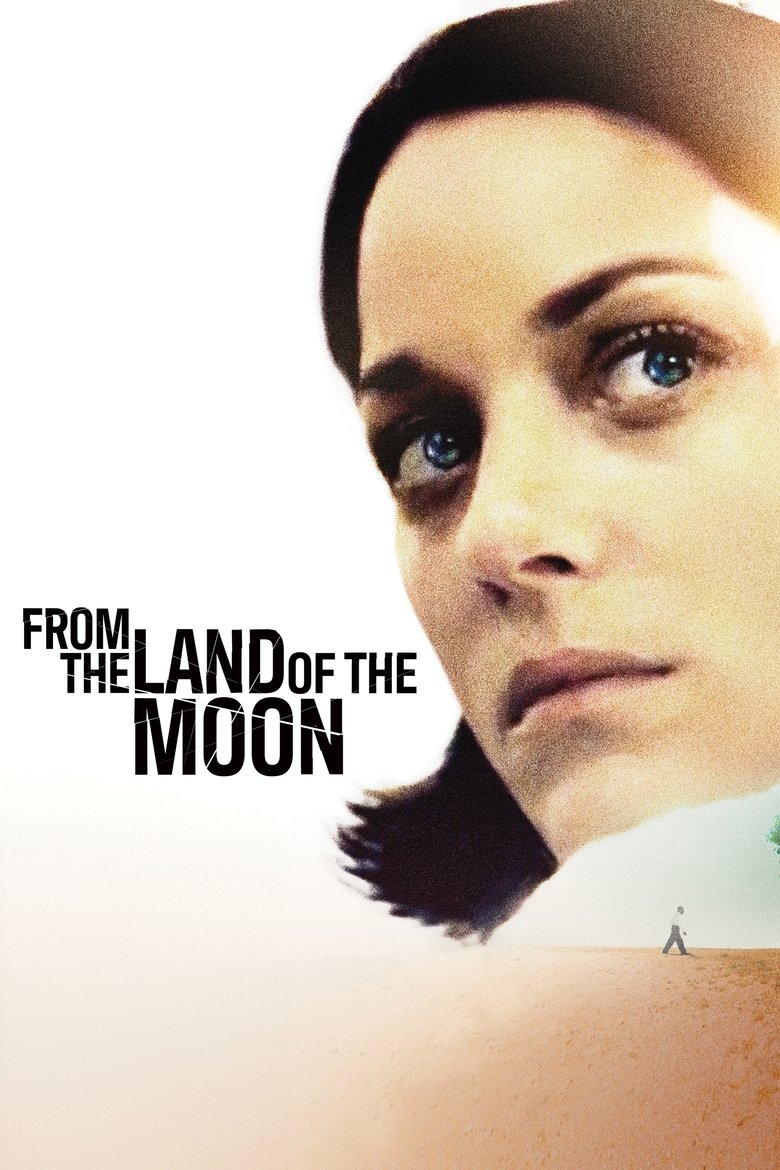
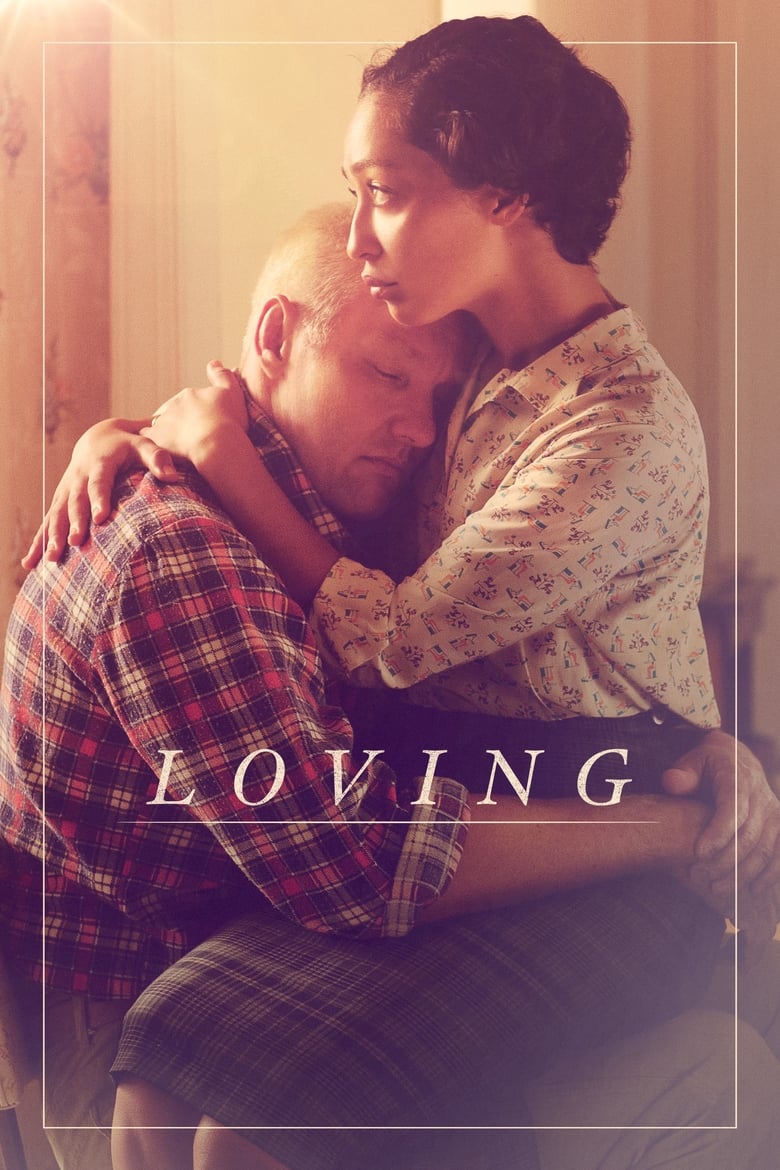
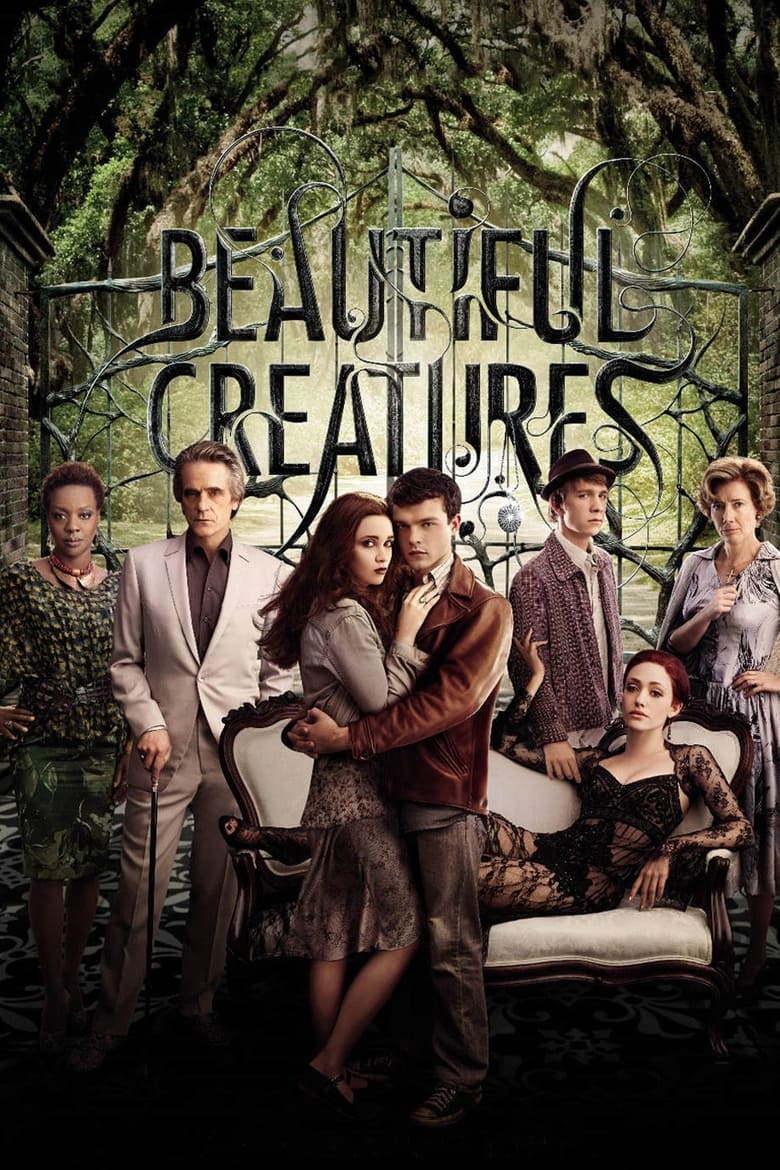
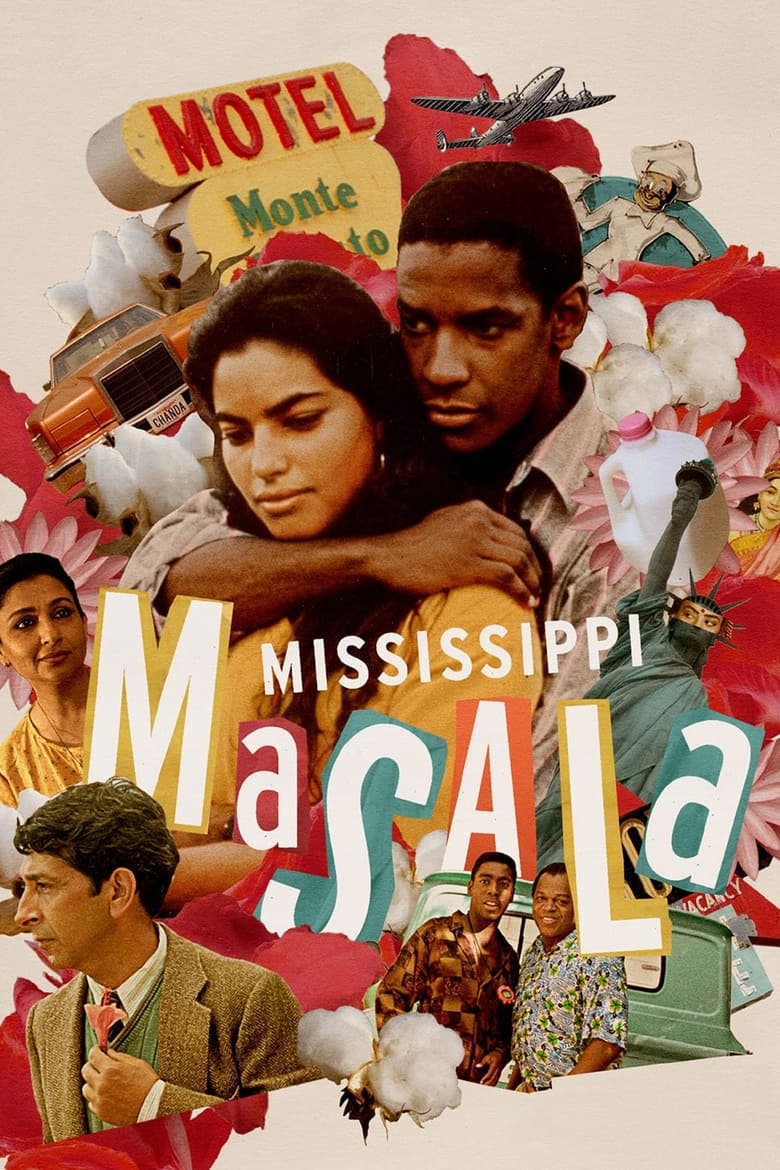
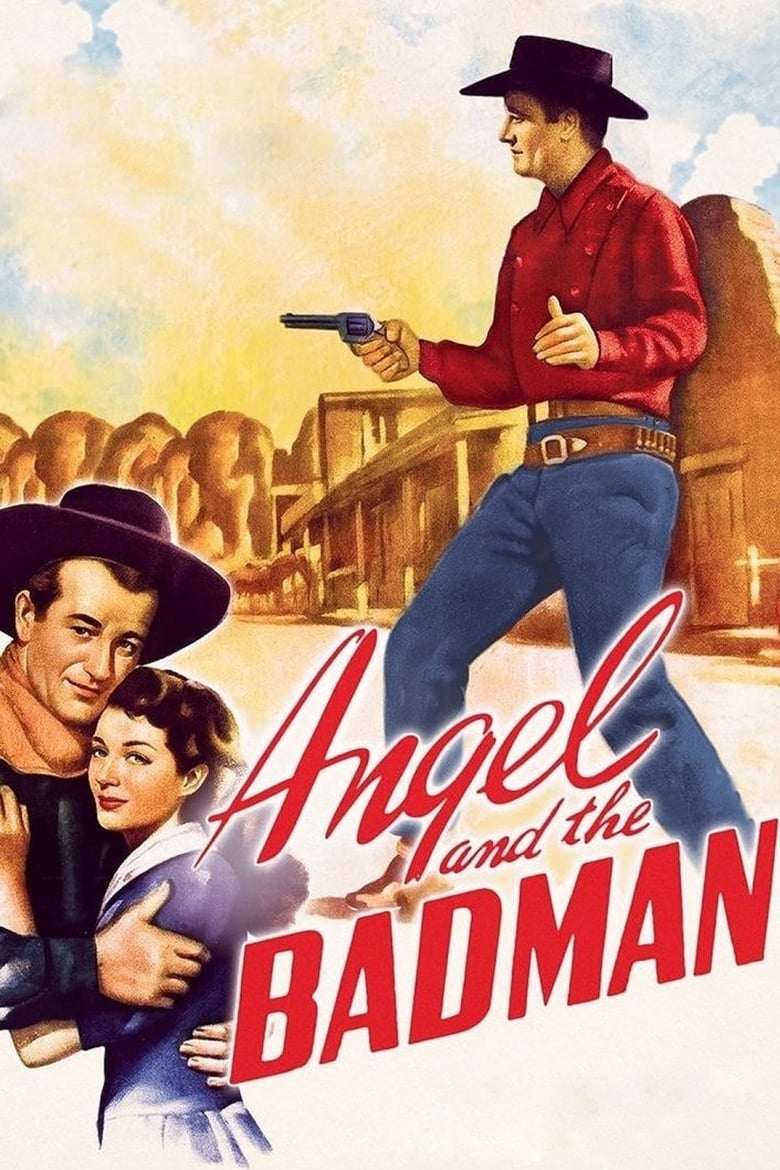
Movies like Bobby include The Star Maker (1995), Okkadu (2003) and From the Land of the Moon (2016). Of the 8 closest matches, half are films set in the rural American South, and all are films about romantic love.
Balanced: every group counts the same, and production only breaks ties.
6 of these 8 share its character type: forbidden love. Those cards say what else they share.