
Gladiator
What we do in life echoes in eternity.
- Director
- Ridley Scott
- Starring
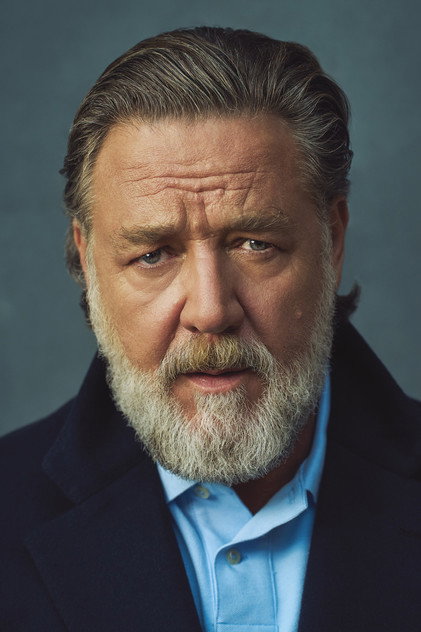
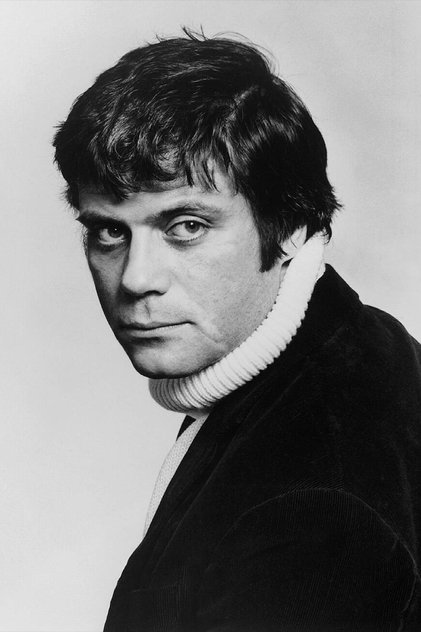
- Russell Crowe, Joaquin Phoenix, Connie Nielsen, Oliver Reed
After the death of Emperor Marcus Aurelius, his devious son takes power and demotes Maximus, one of Rome's most capable generals who Marcus preferred. Eventually, Maximus is forced to become a gladiator and battle to the death against other men for the amusement of paying audiences.
Where to watch
Where can I watch Gladiator?
As of October 24, 2026, MovieCove lists Gladiator streaming on Netflix, Paramount+, Pluto TV (free) and The Roku Channel (free) and to rent or buy on Prime Video.
Subscription


Rent / Buy


Your rating, lists and review
Highlights
What stands out about Gladiator?
Gladiator earns 16 badges, led by Top 1% of films and Best Picture winner.
- Top 1% of films, Rank badge.99th percentile Midcredits score
- Best Picture winner, Awards and box office badge.5 Oscars in all
- Stood the test of time, Reception badge.99th percentile Midcredits score, 26 years on
- Universally Loved, Reception badge.93% rated it 7 or higher
- Awards magnet, Awards and box office badge.35 wins and 60 more nominations
- Award-winning performance, Cast badge.Russell Crowe, Oscar win
- Standout soundtrack, Craft and mood badge.Reviews score it 95 of 100
- Standout acting, Craft and mood badge.Reviews score it 90 of 100
Show 8 moreShow fewer
- Cultural touchstone, Reception badge.Among the most-seen films, 4.3M ratings
- Word-of-mouth hit, Awards and box office badge.Grossed 5.4× its opening weekend
- Audience favorite, Reception badge.Critics 67, audiences 85
- Box Office Hit, Awards and box office badge.Returned 4.5× its budget
- Breakout role, Cast badge.Breakouts for Russell Crowe and Connie Nielsen
- Before they were famous, Cast badge.Djimon Hounsou: newcomer then, star now
- Bittersweet, Craft and mood badge.Leaves you bittersweet
- Big Budget, Awards and box office badge.$103M budget
- Rank
- Reception
- Craft and mood
- Awards and box office
- Cast
Reception
Is Gladiator worth watching?
Gladiator's Midcredits score is the 99th percentile of all films, from 4.3M ratings across 6 sources. 93% liked it (rated it 7 or higher out of 10).
Midcredits score
99th percentile
Better received than 99% of films
84 /100
98th percentile of all films
Critics 67 · Audience 85
Rating distribution
votes at each rating level (1–10)
Ratings pile up at 9–10 with almost no detractors — near-universal love.
93% liked it
99th percentile of all films
Critics 80% · Audience 87%
Awards
5 Oscars won · 6 Oscar noms · 35 wins / 60 noms overall
- WonAcademy Awards· Best Actor in a Leading Role
- WonAcademy Awards· Best Costume Design
99th percentile
4.3M ratings across platforms
Box office
Returned 4.5× its budget — 96th percentile earner in its genre.
What reviewers say
Common ground
Audiences and critics largely agree that Gladiator is a simple, straightforward revenge story elevated by spectacular production values and strong lead performances, but differs on whether that simplicity is a strength or a weakness.
Fans praised
- Russell Crowe's commanding, emotional performance as Maximus
- Hans Zimmer and Lisa Gerrard's iconic, emotionally resonant score
- Visceral, spectacular gladiatorial combat and arena sequences
Detractors panned
- Thin, formulaic revenge plot with predictable storytelling
- Glaring historical inaccuracies and liberties with Roman history
- Underwritten supporting characters and melodramatic dialogue
What stands out
Hans Zimmer and Lisa Gerrard's score universally acclaimed as one of the film's greatest strengths
Crowe's Oscar-winning performance praised as career-defining; Phoenix's Commodus lauded as a chilling, complex villain
Stunning visual recreation of ancient Rome; some critics note overuse of shaky-cam and drab color palette
Immersive, gritty world-building that transports viewers to ancient Rome
Maximus's personal tragedy and quest for vengeance deeply moving for fans; detractors call it hollow
Grand-scale CGI Colosseum and battle sequences impressive for era; some effects now dated
Maximus seen as a compelling, honorable archetype; detractors call characters one-dimensional and shallow
Simple revenge narrative described as classic by fans, but formulaic and predictable by detractors
Preferred by
No notable difference between any of the groups: each pair ranks it within 10 percentile points.
- Women vs men 3 points apart
- Under-30s vs over-30s 1 point apart
- Critics vs users even
- US vs non-US even
Watch experience
What is Gladiator like to watch?
Watch this when you are ready for heavy feelings, and you want to be swept up in something big.
What it asks of you
Room for heavy feelings.
What it feels like
Big and sweeping.
How it leaves you
Bittersweet.
Story archetype
Every story archetype, clockwise from the top
- Monster 21%: Predator 6% · Tyrant 6% · Invasion 2% · Oppressive state 2% · Corporate villainy 1% · Institutional injustice 1% · Class system under 1% · Technology turns under 1% · Inner demon 1%
- Rags 3%: Underdog triumph 2% · Social ascent under 1% · Fame and fortune under 1% · Rise and fall under 1% · Hidden worth revealed under 1%
- Quest 10%: Treasure hunt 1% · Rescue 4% · Mission 5% · Journey home under 1% · Pilgrimage 1%
- Voyage 4%: Portal fantasy under 1% · Fish out of water 2% · Survival ordeal 1% · Time displacement under 1% · Descent 1%
- Comedy 11%: Romantic comedy 4% · Comedy of errors 3% · Farce 2% · Buddy comedy 1% · Comedy of manners 1%
- Tragedy 9% (this title): Hubris 1% (this title) · Obsession 2% · Corruption arc 2% · Doomed love 2% · Crushed by fate 3%
- Rebirth 13%: Redemption 3% · Healing 5% · Liberation 2% · Second chance 2%
- Mystery 7%: Puzzle 1% · Investigation 5% · Enigma 2%
- No archetype 22%
What it's about
Every theme, clockwise from the top
- Bonds 27%: Romantic love 15% · Marriage 2% · Family bonds 21% · Parenthood 2% · Friendship 9% · Loyalty 4%
- Self 22%: Identity 14% · Coming of age 5% · Aging under 1% · Self-worth 7% · Ambition 7% · Purpose 9% · Memory 3% · Obsession 3%
- Power 7%: Power 2% · Corruption 3% · Greed 3% · Class 3% · Oppression 4% · Freedom 5% (this title)
- Morality 16%: Justice 13% (this title) · Duty 2% · Revenge 4% · Guilt 3% · Redemption 6% · Forgiveness 1% · Sacrifice 4% · Betrayal 5% · Deception 9%
- Survival 15% (this title): Survival 17% · War 1% · Violence 4% · Mortality 2% · Grief 6% (this title) · Trauma 7% · Mental illness 1% · Addiction 1% · Illness and disability under 1%
- Society 9%: Community 14% · Isolation 5% · Prejudice 3% · Displacement 1% · Faith 3% · Tradition vs change 2% · Fame 3% · Legacy 4%
- Ideas 5%: Fate 1% · Free will under 1% · Truth 4% · Hope 5% · Nature 2% · Art 4% · Technology 1%
The world
Content guide
Is Gladiator okay for kids?
RGladiator is rated R: “Rated R for intense, graphic combat” (MPAA). As of October 3, 2026, Midcredits content scores put its violence at severe (89/100), sexual content at mild (30/100), language at mild (32/100), drug and alcohol content at minimal (10/100) and frightening material at severe (83/100). Overall it is heavier than 58% of R-rated films.
Ratings in 30 other countriesRatings elsewhere
- UK15
- Canada18A
- AustraliaM
- Germany16
- France12
- Ireland15
- South Korea15
- Brazil14
- Argentina+13
- Belgium18
- BGC
- Czechia12+
- Denmark15
- FinlandK-16
- GreeceK15
- Hungary16
- ItalyT
- MexicoB-15
- Netherlands16
- Norway15
- PhilippinesPG
- Poland16
- PortugalM/12
- RO18
- Russia16+
- SK15
- Spain12
- Sweden15
- Switzerland16
- Türkiye16+
Point along a line to see a well-known title at that level.
The reason to think twice is violence and frightening material. Everything else sits at or below what R-rated films usually carry.
Source: Midcredits content scores, 0 (none) to 100 (severe) per category, with each standing ranked against other films that have them.
What content warnings does Gladiator have?
Not screened for content warnings yet.
Cast and crew
Who is in Gladiator?
Cast
2 of the cast already had the standing of a top-10% working actor; Russell Crowe won the Oscar for this film.




Crew
Directed by
Cinematography
Edited by
Music by
Produced by
More like this
What are movies like Gladiator?
Movies like Gladiator include Gladiator II (2024), King Arthur (2004) and Troy (2004). Of the 12 closest matches, two are films written by David Franzoni, and most are war epics.
- Gladiator IIWorld:
- King ArthurPeople:
- TroyWorld:
- Kingdom of HeavenStory type:
- NapoleonStory type:
- The Last SamuraiPeople:
- The Lord of the Rings: The War of the RohirrimCharacters:
- Exodus: Gods and KingsWorld:
- AsokaSubject:
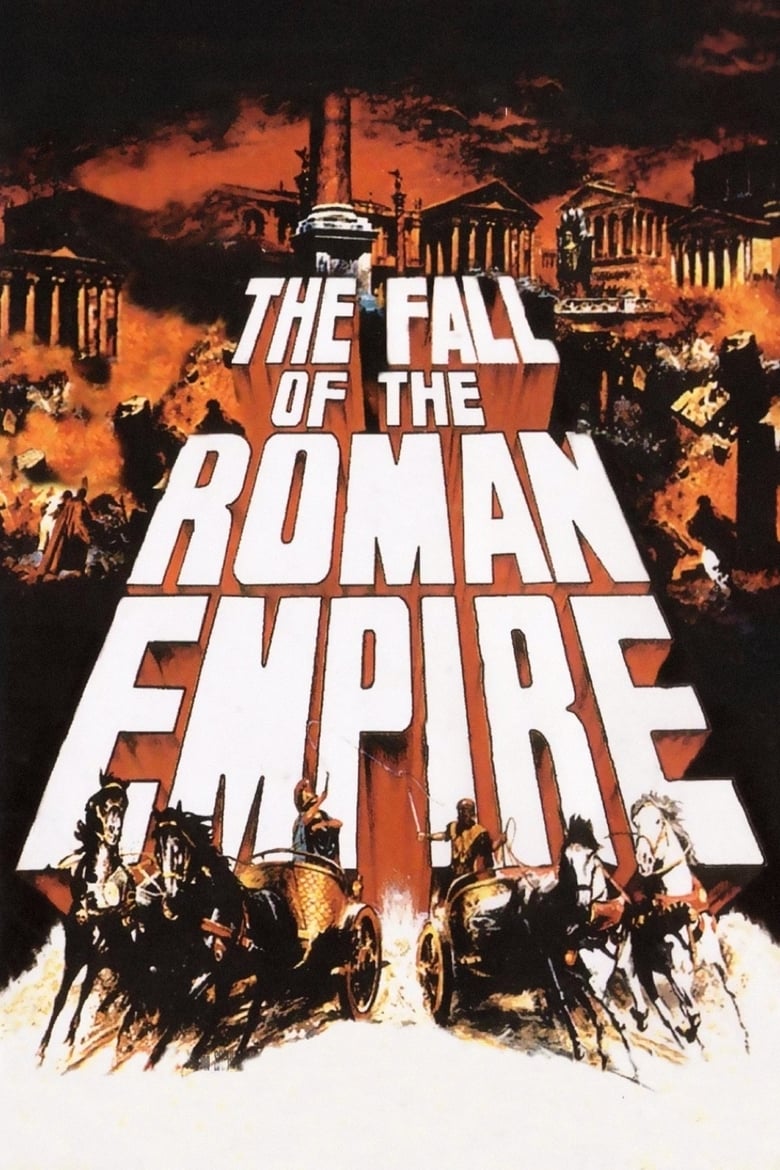
- The Fall of the Roman EmpireCharacters:
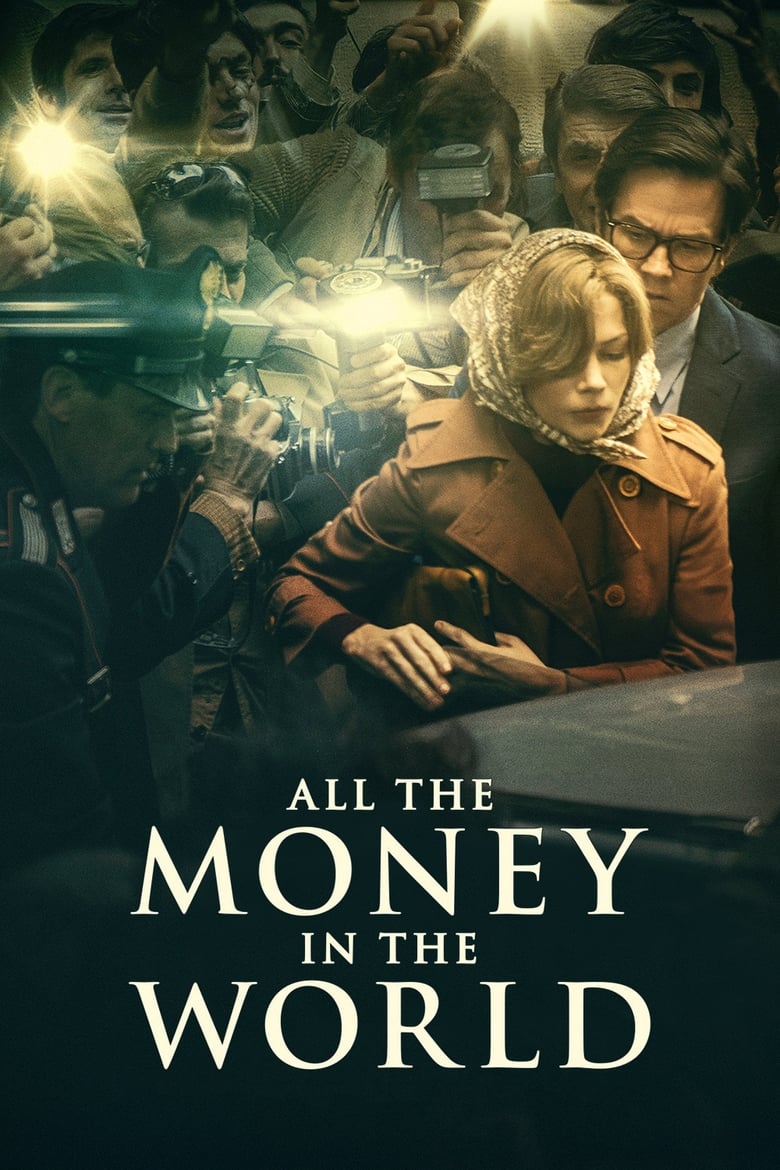
- All the Money in the WorldWorld:
- Robin HoodSubject:



Why this pick
Explore by
What else shares a premise, people or place with Gladiator?
813 other films share the rarest tag below, kind of film: war epic. Each tag opens Browse with the films that share it.