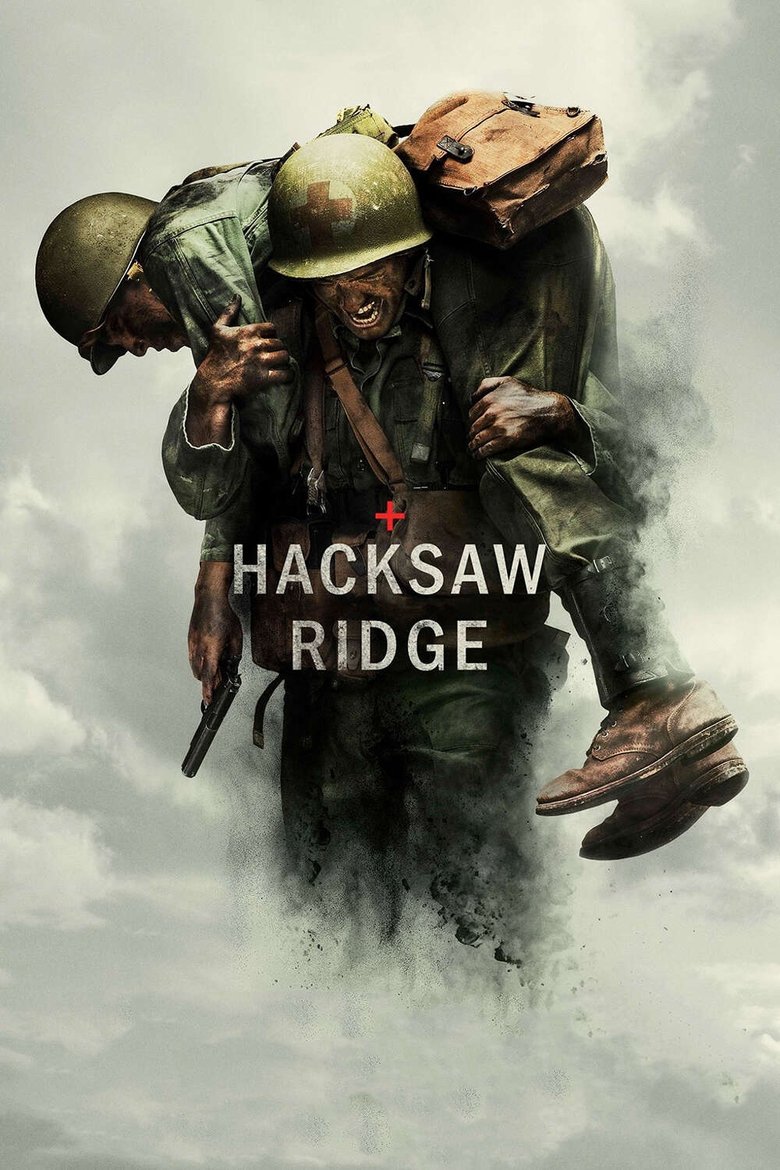
Hacksaw Ridge
One of the greatest heroes in American history never fired a bullet.
- Director
- Mel Gibson
- Starring
- Andrew Garfield, Sam Worthington, Vince Vaughn, Teresa Palmer
WWII American Army Medic Desmond T. Doss, who served during the Battle of Okinawa, refuses to kill people and becomes the first Conscientious Objector in American history to receive the Congressional Medal of Honor.
Where to watch
Where can I watch Hacksaw Ridge?
As of October 24, 2026, MovieCove lists Hacksaw Ridge streaming on Lionsgate+ via Prime Video and to rent or buy on Apple TV and Prime Video.
Subscription


Your rating, lists and review
Highlights
What stands out about Hacksaw Ridge?
Hacksaw Ridge earns 12 badges, led by Top 1% of films and Oscar Winner.
- Top 1% of films, Rank badge.99th percentile Midcredits score
- Oscar Winner, Awards and box office badge.2 Oscars and 4 more nominations
- Modern classic, Reception badge.99th percentile Midcredits score, 10 years on
- Universally Loved, Reception badge.92% rated it 7 or higher
- Awards magnet, Awards and box office badge.28 wins and 67 more nominations
- Visual feast, Craft and mood badge.Praised by fans (88) and detractors (70)
- Seriously scary, Content badge.Frightening / Intense heavier than 98% of films
- Not for the squeamish, Content badge.Violence & Gore heavier than 98% of films
Show 4 moreShow fewer
- Rank
- Reception
- Craft and mood
- Awards and box office
- Content
Reception
Is Hacksaw Ridge worth watching?
Hacksaw Ridge's Midcredits score is the 99th percentile of all films, from 2M ratings across 6 sources. 92% liked it (rated it 7 or higher out of 10).
Midcredits score
99th percentile
Better received than 99% of films
81 /100
97th percentile of all films
Critics 71 · Audience 82
Rating distribution
votes at each rating level (1–10)
Ratings pile up at 9–10 with almost no detractors — near-universal love.
92% liked it
99th percentile of all films
Critics 84% · Audience 92%
Awards
2 Oscars won · 4 Oscar noms · 28 wins / 67 noms overall
- WonAcademy Awards· Best Achievement in Film Editing
- WonAcademy Awards· Best Achievement in Sound Mixing
99th percentile
2M ratings across platforms
Box office
Returned 4.5× its budget — 97th percentile earner in its genre.
What reviewers say
Common ground
Both camps agree the film delivers intense, visceral battle scenes and a sincere tribute to Desmond Doss's bravery, though they differ on whether the surrounding drama earns its emotional weight.
Fans praised
- brutal, immersive battle sequences
- Andrew Garfield's humane, committed lead performance
- Vince Vaughn's unexpectedly nuanced turn
Detractors panned
- overwrought heroics and hagiographic tone
- thinly drawn peripheral characters
- awkward, derivative climactic stretch
What stands out
visceral, beautifully composed battle photography
Garfield's emotional core and Vaughn's surprising depth
massive, gory set pieces and practical-scale action
inspirational core lands for many, but some find it manipulative
brutal battle set pieces generate dread, but historical outcome lessens it
true-story structure, but history removes jeopardy and climax feels awkward
deliberate first half, relentless second, some drag early
central Doss well-drawn but peripheral troops lack dimension
Preferred by
No notable difference between any of the groups: each pair ranks it within 10 percentile points.
- Women vs men even
- Under-30s vs over-30s 1 point apart
- Critics vs users even
- US vs non-US 1 point apart
Watch experience
What is Hacksaw Ridge like to watch?
Watch this when you are ready for heavy feelings, and you want something tense that holds you to the end.
What it asks of you
Room for heavy feelings.
What it feels like
Tense and gripping.
How it leaves you
Hopeful.
Story archetype
Every story archetype, clockwise from the top
- Monster 21% (this title): Predator 6% · Tyrant 6% · Invasion 2% · Oppressive state 2% · Corporate villainy 1% · Institutional injustice 1% · Class system under 1% · Technology turns under 1% · Inner demon 1%
- Rags 3%: Underdog triumph 2% · Social ascent under 1% · Fame and fortune under 1% · Rise and fall under 1% · Hidden worth revealed under 1%
- Quest 10%: Treasure hunt 1% · Rescue 4% · Mission 5% · Journey home under 1% · Pilgrimage 1%
- Voyage 4%: Portal fantasy under 1% · Fish out of water 2% · Survival ordeal 1% · Time displacement under 1% · Descent 1%
- Comedy 11%: Romantic comedy 4% · Comedy of errors 3% · Farce 2% · Buddy comedy 1% · Comedy of manners 1%
- Tragedy 9%: Hubris 1% · Obsession 2% · Corruption arc 2% · Doomed love 2% · Crushed by fate 3%
- Rebirth 13%: Redemption 3% · Healing 5% · Liberation 2% · Second chance 2%
- Mystery 7%: Puzzle 1% · Investigation 5% · Enigma 2%
- No archetype 22%
What it's about
Every theme, clockwise from the top
- Bonds 27%: Romantic love 15% · Marriage 2% · Family bonds 21% · Parenthood 2% · Friendship 9% · Loyalty 4%
- Self 22%: Identity 14% · Coming of age 5% · Aging under 1% · Self-worth 7% · Ambition 7% · Purpose 9% · Memory 3% · Obsession 3%
- Power 7%: Power 2% · Corruption 3% · Greed 3% · Class 3% · Oppression 4% · Freedom 5%
- Morality 16% (this title): Justice 13% · Duty 2% (this title) · Revenge 4% · Guilt 3% · Redemption 6% · Forgiveness 1% · Sacrifice 4% (this title) · Betrayal 5% · Deception 9%
- Survival 15%: Survival 17% · War 1% · Violence 4% · Mortality 2% · Grief 6% · Trauma 7% · Mental illness 1% · Addiction 1% · Illness and disability under 1%
- Society 9%: Community 14% · Isolation 5% · Prejudice 3% · Displacement 1% · Faith 3% (this title) · Tradition vs change 2% · Fame 3% · Legacy 4%
- Ideas 5%: Fate 1% · Free will under 1% · Truth 4% · Hope 5% · Nature 2% · Art 4% · Technology 1%
The world
Content guide
Is Hacksaw Ridge okay for kids?
RHacksaw Ridge is rated R: “Rated R for intense prolonged realistically graphic sequences of war violence including grisly bloody images” (MPAA). As of October 18, 2026, Midcredits content scores put its violence at severe (96/100), sexual content at moderate (36/100), language at moderate (43/100), drug and alcohol content at mild (33/100) and frightening material at severe (94/100). Overall it is heavier than 81% of R-rated films.
Ratings in 27 other countriesRatings elsewhere
- UK15
- Canada18A
- AustraliaMA 15+
- Germany16
- France12
- Ireland16
- South Korea15
- Brazil16
- Belgium12
- BGD
- Czechia15+
- Denmark15
- FinlandK-16
- GreeceΚ-15
- Hungary18
- Israelהותר לבני 16 ומעלה
- ItalyT
- LTN-13
- MexicoC
- Netherlands16
- Norway15
- Poland16
- PortugalM/16
- Russia18+
- Spain16
- Sweden15
- Switzerland16
Point along a line to see a well-known title at that level.
The reason to think twice is violence and frightening material. Everything else sits at or below what R-rated films usually carry.
Source: Midcredits content scores, 0 (none) to 100 (severe) per category, with each standing ranked against other films that have them.
What content warnings does Hacksaw Ridge have?
MovieCove's classifier found 6 depicted content warnings in Hacksaw Ridge: Gore or body horror (severe), Gun violence (severe), War atrocities (severe), Domestic violence (moderate), Addiction or relapse (mild), plus 1 withheld here because it would spoil the plot. 1 more is mentioned only, in dialogue or backstory: Hate-motivated violence. Each is backed by a verbatim quote from the parents' guide notes; a missing warning is not a guarantee of absence.
Mentioned: referenced in dialogue or backstory, not shown in the story’s present.
Cast and crew
Who is in Hacksaw Ridge?
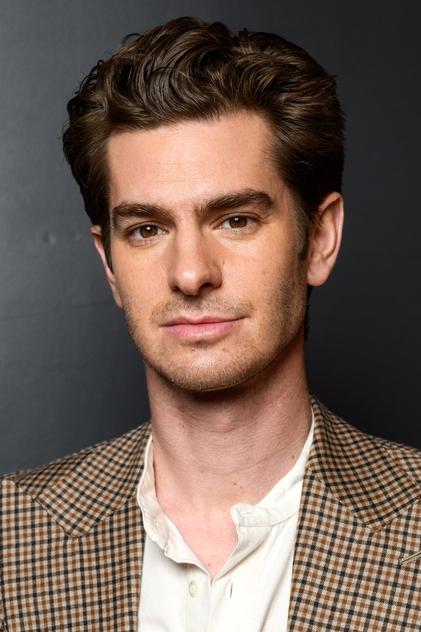
Cast
3 of the cast already had the standing of a top-10% working actor.


Crew
Directed by
Written by
Cinematography
Edited by
Music by
Produced by
+29 more
, Suzanne Warren, David S. Greathouse, Brian Oliver, Stuart Ford, Eric Greenfeld, Leo Shi Young, Rick Nicita, Christopher Woodrow, Gregory Crosby, Zak Mechanic, Michael Bassick, Tyler Thompson, Jason Seagraves, Len Blavatnik, Mark C. Manuel, Buddy Patrick, Ted O'Neal, Elexa Ruth, Helen Ye Zhong, Lenny Kornberg, James H. Pang, Tina Xiuli Chen, Joel Kramer, William D. Johnson, Lawrence Bender, Terry Benedict, Paul Currie, Bruce Davey, Barbara GibbsMore like this
What are movies like Hacksaw Ridge?
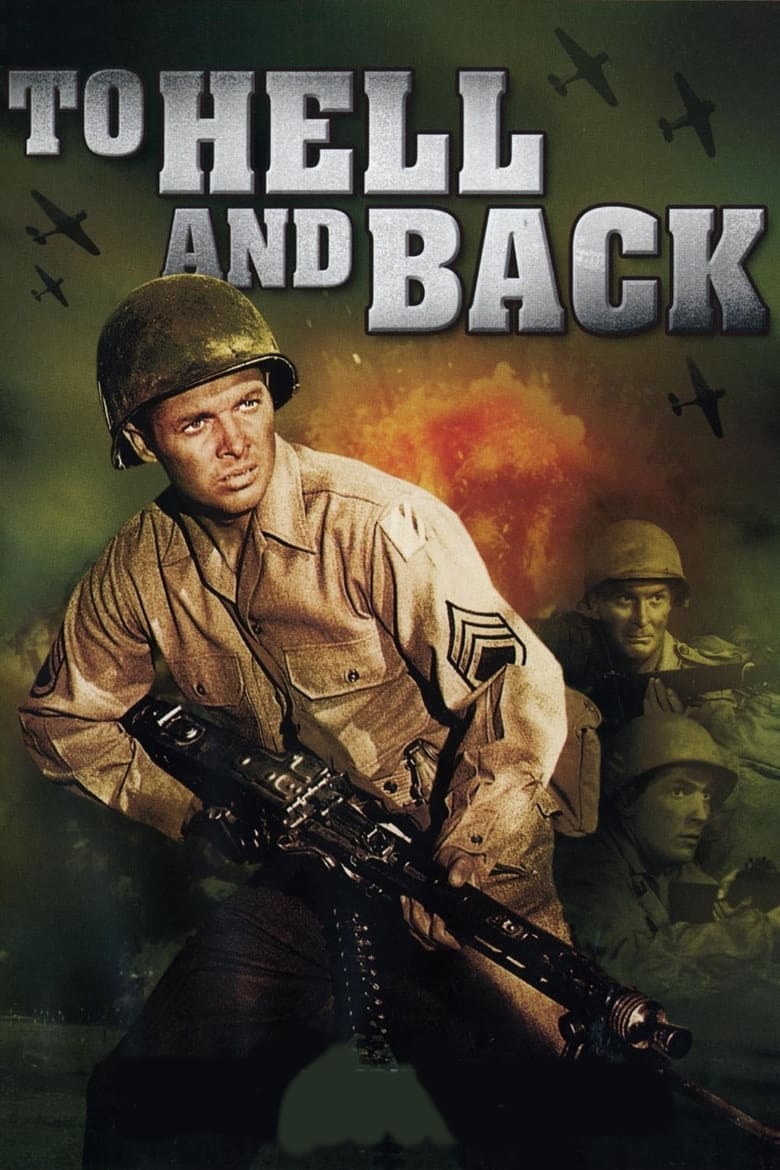
Movies like Hacksaw Ridge include We Were Soldiers (2002), The Patriot (2000) and John Rabe (2009). Of the 12 closest matches, half are films set during World War II, and most are stories about soldiers.




Explore by
What else shares a premise, people or place with Hacksaw Ridge?
813 other films share the rarest tag below, kind of film: war epic. Each tag opens Browse with the films that share it.