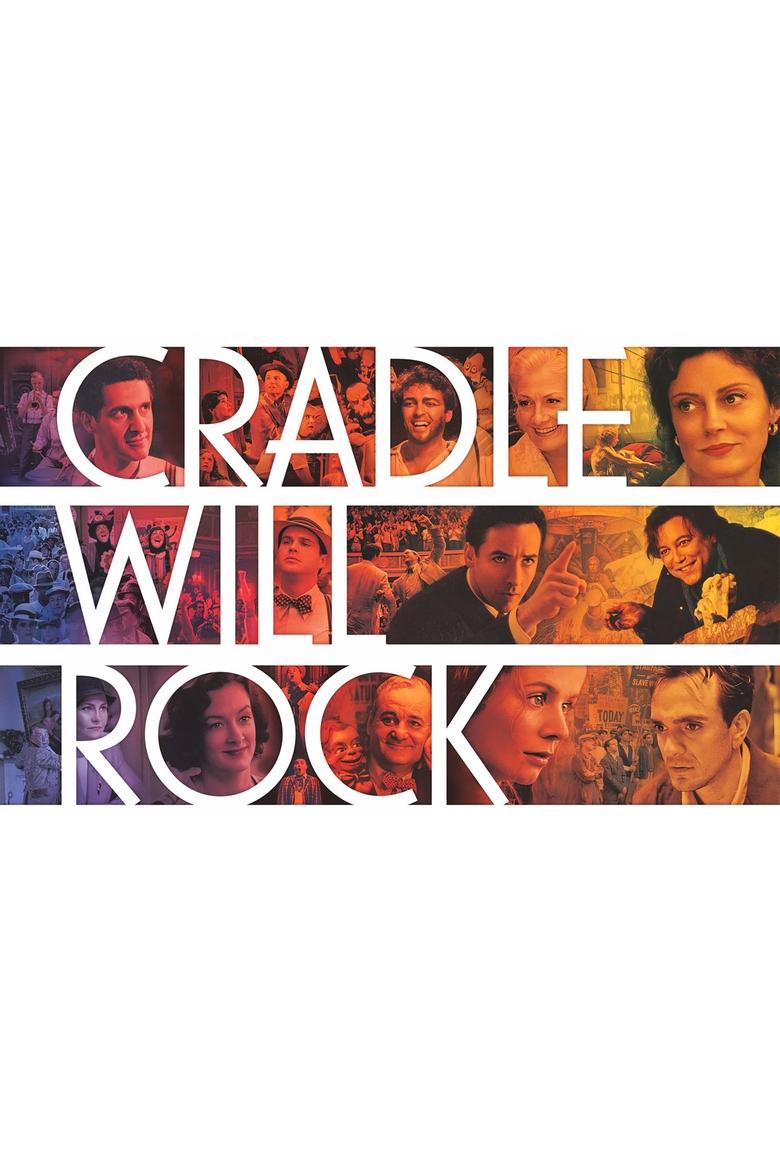
Story archetype where it sits among all films Monster — 21% of films. A threat menaces the hero's world and must be defeated. Rags — 3% of films. A rise from lowliness to fortune, status, or recognition. Quest — 10% of films. A journey toward a defined objective, with companions and obstacles. Voyage — 4% of films. Into a strange world and back again, changed. Comedy — 11% of films. Confusion and cross-purposes resolved into harmony. Tragedy — 9% of films. A flaw or fixation drives the protagonist to ruin. Rebirth — 13% of films. A stalled or darkened life reopened and renewed. Mystery — 7% of films. A question drives the story — who did it, what happened, what is real — until it is answered. No archetype — 22% of films Predator — 6% of films. A creature or killer hunts the protagonists (Jaws, Alien). Tyrant — 6% of films. A human villain holds power over the hero's world (Die Hard). Invasion — 2% of films. An external force attacks the home or world (Independence Day). Oppressive state — 2% of films. A government, its agencies or a secret faction inside them is the monster (V for Vendetta). Corporate villainy — 1% of films. A company or its bosses are the monster (Erin Brockovich). Institutional injustice — 1% of films. A court, prison, police force, school or church is itself the enemy (Spotlight). Class system — under 1% of films. The gap between rich and poor, or a rigid hierarchy, is the monster (Parasite). Technology turns — under 1% of films. Technology people rely on becomes the threat (The Terminator). Inner demon — 1% of films. The monster is within — addiction, illness, a dark double. Underdog triumph — 2% of films. Rise through competition or contest (Rocky). Social ascent — under 1% of films. A climb in class or status (Pretty Woman). Fame and fortune — under 1% of films. An artistic or showbiz rise (A Star Is Born). Rise and fall — under 1% of films. Wealth or power gained, self lost (Scarface). Hidden worth revealed — under 1% of films. The protagonist's true value finally recognized. Treasure hunt — 1% of films. Retrieve an object of value (Raiders of the Lost Ark). Rescue — 4% of films. Retrieve or save a person (Saving Private Ryan). Mission — 5% of films. Accomplish or destroy a defined objective (Mission: Impossible). Journey home — under 1% of films. The goal is getting back (Finding Nemo). Pilgrimage — 1% of films. The journey itself transforms; the destination is symbolic. Portal fantasy — under 1% of films. Transported into another world (The Wizard of Oz). Fish out of water — 2% of films. Displaced into an unfamiliar social world (Elf). Survival ordeal — 1% of films. Trapped in a hostile environment, fighting back (Cast Away). Time displacement — under 1% of films. Unstuck in time (Back to the Future). Descent — 1% of films. A night-journey into an underworld or subculture (After Hours). Romantic comedy — 4% of films. Lovers kept apart by confusion, united at last. Comedy of errors — 3% of films. Mistaken identity or misunderstanding drives the plot. Farce — 2% of films. Escalating absurd chaos and coincidence (The Hangover). Buddy comedy — 1% of films. A mismatched pair forced together (Rush Hour). Comedy of manners — 1% of films. Social codes and class satirized (Clueless). Hubris — 1% of films. Pride or ambition invites the fall (There Will Be Blood). Obsession — 2% of films. A fixation consumes the protagonist (Black Swan). Corruption arc — 2% of films. Step-by-step moral decay (The Godfather). Doomed love — 2% of films. Love destroyed by circumstance (Brokeback Mountain). Crushed by fate — 3% of films. Destroyed by forces beyond the protagonist's control. Redemption — 3% of films. Moral reawakening of a hardened soul (A Christmas Carol). Healing — 5% of films. Recovery from grief or trauma (Good Will Hunting). Liberation — 2% of films. Breaking free of a confining life (Room). Second chance — 2% of films. A stagnant life re-opened to love or purpose (Groundhog Day). Puzzle — 1% of films. A clue-by-clue puzzle you can try to solve before the reveal (Knives Out, Clue). Investigation — 5% of films. A long pursuit of the truth that may never be fully solved (Zodiac, Memories of Murder). Enigma — 2% of films. The mystery is what is real, or what is actually happening (Mulholland Drive). Monster Every story archetype, clockwise from the top Monster 21% (this title) : Predator 6% · Tyrant 6% · Invasion 2% · Oppressive state 2% (this title) · Corporate villainy 1% · Institutional injustice 1% · Class system under 1% · Technology turns under 1% · Inner demon 1%Why this archetype The story follows a theatre troupe's legal battle against state censorship after their production is deemed indecent, framing the oppressive system as the monster they must overcome.
What it's about 7 groups · 53 themes Bonds — 27% of films Self — 22% of films Power — 7% of films Morality — 16% of films Survival — 15% of films Society — 9% of films Ideas — 5% of films Romantic love — 15% of films Marriage — 2% of films Family bonds — 21% of films Parenthood — 2% of films Friendship — 9% of films Loyalty — 4% of films Identity — 14% of films Coming of age — 5% of films Aging — under 1% of films Self-worth — 7% of films Ambition — 7% of films Purpose — 9% of films Memory — 3% of films Obsession — 3% of films. A fixation consumes the protagonist (Black Swan). Power — 2% of films Corruption — 3% of films Greed — 3% of films Class — 3% of films Oppression — 4% of films Freedom — 5% of films Justice — 13% of films Duty — 2% of films Revenge — 4% of films Guilt — 3% of films Redemption — 6% of films. Moral reawakening of a hardened soul (A Christmas Carol). Forgiveness — 1% of films Sacrifice — 4% of films Betrayal — 5% of films Deception — 9% of films Survival — 17% of films War — 1% of films Violence — 4% of films Mortality — 2% of films Grief — 6% of films Trauma — 7% of films Mental illness — 1% of films Addiction — 1% of films Illness and disability — under 1% of films Community — 14% of films. Consequences reach a town, institution or group. Isolation — 5% of films Prejudice — 3% of films Displacement — 1% of films Faith — 3% of films Tradition vs change — 2% of films Fame — 3% of films Legacy — 4% of films Fate — 1% of films Free will — under 1% of films Truth — 4% of films Hope — 5% of films Nature — 2% of films Art — 4% of films Technology — 1% of films Self Justice Morality Every theme, clockwise from the top Morality 16% (this title) : Justice 13% (this title) · Duty 2% · Revenge 4% · Guilt 3% · Redemption 6% · Forgiveness 1% · Sacrifice 4% · Betrayal 5% · Deception 9%Community 14% (this title) · Isolation 5% · Prejudice 3% · Displacement 1% · Faith 3% · Tradition vs change 2% · Fame 3% · Legacy 4%Art 4% (this title) · Technology 1%Morality
Justice · 13% of films Art · 4% of films Community · 14% of films : Consequences reach a town, institution or group.
Celebrates its theme: Affirms its theme — this is good and worth having. Societal stakes: Consequences reach a whole social order. Ensemble lead
How it treats its theme The film centers on the fight against censorship and the pursuit of artistic and legal justice for a marginalized community.
Stance The film celebrates the troupe's fight for artistic freedom and justice against censorship.
The world Early 20th century Urban Institutional Realistic
Orchestral classical Folk Supportive music · original score · Lisa Gutkin
Setting Broadway theater district and courtroom in early 20th-century New York
Music Music likely underscores the emotional and dramatic beats of the courtroom struggle.