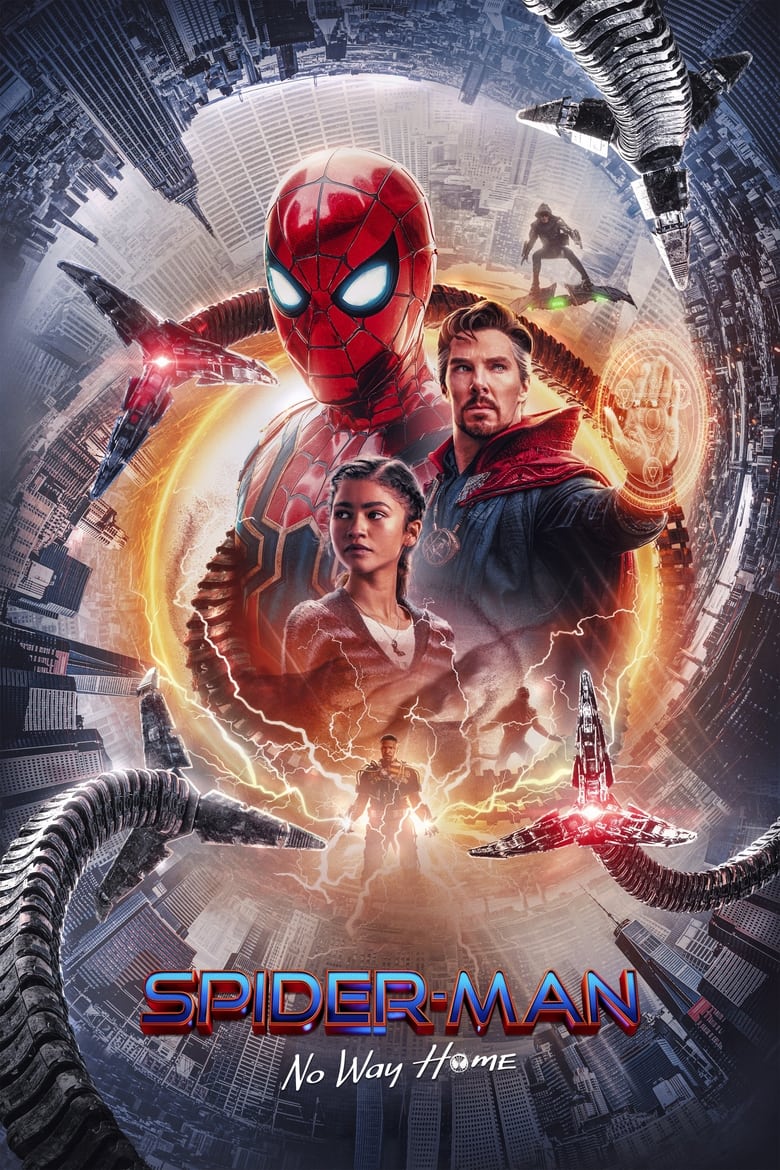
Spider-Man: No Way Home
Enter the Multiverse.
- Director
- Jon Watts
- Starring
- Tom Holland, Zendaya, Benedict Cumberbatch, Jacob Batalon
Peter Parker is unmasked and no longer able to separate his normal life from the high-stakes of being a super-hero. When he asks for help from Doctor Strange the stakes become even more dangerous, forcing him to discover what it truly means to be Spider-Man.
Where to watch
Where can I watch Spider-Man: No Way Home?
As of October 24, 2026, MovieCove lists Spider-Man: No Way Home streaming on Disney+ and to rent or buy on Apple TV and Prime Video.
Subscription


Your rating, lists and review
Highlights
What stands out about Spider-Man: No Way Home?
Spider-Man: No Way Home earns 8 badges, led by Top 1% in Action and Top 5% of films.
- Top 1% in Action, Rank badge.99th percentile among Action films
- Top 5% of films, Rank badge.98th percentile Midcredits score
- Universally Loved, Reception badge.88% rated it 7 or higher
- Awards magnet, Awards and box office badge.32 wins and 64 more nominations
- Star-studded, Cast badge.6 of the billed cast already had a top-10% actor's standing
- Box Office Hit, Awards and box office badge.Returned 9.6× its budget
- Bittersweet, Craft and mood badge.Leaves you bittersweet
- Big Budget, Awards and box office badge.$200M budget
- Rank
- Reception
- Craft and mood
- Awards and box office
- Cast
Reception
Is Spider-Man: No Way Home worth watching?
Spider-Man: No Way Home's Midcredits score is the 98th percentile of all films, from 5.3M ratings across 6 sources. 88% liked it (rated it 7 or higher out of 10).
Midcredits score
98th percentile
Better received than 98% of films
80 /100
97th percentile of all films
Critics 71 · Audience 81
Rating distribution
votes at each rating level (1–10)
Ratings pile up at 9–10 with almost no detractors — near-universal love.
88% liked it
97th percentile of all films
Awards
0 Oscars won · 1 Oscar noms · 32 wins / 64 noms overall
- NominatedAcademy Awards· Best Achievement in Visual Effects
92nd percentile
5.3M ratings across platforms
Box office
Returned 9.6× its budget — 99th percentile earner in its genre.
What reviewers say
Common ground
A multiverse crossover spectacle packed with fan service and callbacks to previous Spider-Man films.
Fans praised
- Emotionally resonant with genuine stakes and heartbreak
- Nostalgic celebration of Spider-Man legacy with earned fan service
- Strong performances by Tom Holland, Willem Dafoe, and returning cast
Detractors panned
- Lazy, contrived plot driven by Peter's irrational decisions
- Overstuffed with cameos at expense of coherent storytelling
- Inconsistent tone with jarring tonal shifts between comedy and drama
What stands out
Holland's strongest outing; Dafoe's menacing Goblin; Garfield/Maguire slip back naturally
Aunt May's death and Peter's loss resonate strongly with fans; detractors find it manipulative
Impressive action choreography and CGI set pieces, but some weak digital moments
Bittersweet conclusion resets Peter's life; satisfying closure for fans, feels unearned to detractors
Redeems Holland's Peter with real growth; villains underutilized beyond Dafoe and Molina
Witty exchanges balanced with cringey fan-service callbacks and forced humor
Frequent one-liners and meta references; detractors find them distracting and tone-deaf
Fragile premise hinges on Peter's recklessness; convenient multiverse contrivances
Preferred by
No notable difference between any of the groups: each pair ranks it within 10 percentile points.
- Women vs men even
- Under-30s vs over-30s 1 point apart
- Critics vs users even
- US vs non-US even
Watch experience
What is Spider-Man: No Way Home like to watch?
Watch this when you are ready for heavy feelings, and you want to be swept up in something big.
What it asks of you
Room for heavy feelings.
What it feels like
Big and sweeping.
How it leaves you
Bittersweet.
Story archetype
Every story archetype, clockwise from the top
- Monster 21%: Predator 6% · Tyrant 6% · Invasion 2% · Oppressive state 2% · Corporate villainy 1% · Institutional injustice 1% · Class system under 1% · Technology turns under 1% · Inner demon 1%
- Rags 3%: Underdog triumph 2% · Social ascent under 1% · Fame and fortune under 1% · Rise and fall under 1% · Hidden worth revealed under 1%
- Quest 10% (this title): Treasure hunt 1% · Rescue 4% · Mission 5% (this title) · Journey home under 1% · Pilgrimage 1%
- Voyage 4%: Portal fantasy under 1% · Fish out of water 2% · Survival ordeal 1% · Time displacement under 1% · Descent 1%
- Comedy 11%: Romantic comedy 4% · Comedy of errors 3% · Farce 2% · Buddy comedy 1% · Comedy of manners 1%
- Tragedy 9%: Hubris 1% · Obsession 2% · Corruption arc 2% · Doomed love 2% · Crushed by fate 3%
- Rebirth 13%: Redemption 3% · Healing 5% · Liberation 2% · Second chance 2%
- Mystery 7%: Puzzle 1% · Investigation 5% · Enigma 2%
- No archetype 22%
What it's about
Every theme, clockwise from the top
- Bonds 27%: Romantic love 15% · Marriage 2% · Family bonds 21% · Parenthood 2% · Friendship 9% · Loyalty 4%
- Self 22%: Identity 14% (this title) · Coming of age 5% · Aging under 1% · Self-worth 7% · Ambition 7% · Purpose 9% · Memory 3% · Obsession 3%
- Power 7%: Power 2% · Corruption 3% · Greed 3% · Class 3% · Oppression 4% · Freedom 5%
- Morality 16% (this title): Justice 13% · Duty 2% · Revenge 4% · Guilt 3% · Redemption 6% (this title) · Forgiveness 1% · Sacrifice 4% (this title) · Betrayal 5% · Deception 9%
- Survival 15%: Survival 17% · War 1% · Violence 4% · Mortality 2% · Grief 6% · Trauma 7% · Mental illness 1% · Addiction 1% · Illness and disability under 1%
- Society 9%: Community 14% · Isolation 5% · Prejudice 3% · Displacement 1% · Faith 3% · Tradition vs change 2% · Fame 3% · Legacy 4%
- Ideas 5%: Fate 1% · Free will under 1% · Truth 4% · Hope 5% · Nature 2% · Art 4% · Technology 1%
The world
Content guide
Is Spider-Man: No Way Home okay for kids?
PG-13Spider-Man: No Way Home is rated PG-13: “Rated PG-13 for sequences of action/violence, some language and brief suggestive comments” (MPAA). As of October 5, 2026, Midcredits content scores put its violence at moderate (57/100), sexual content at minimal (14/100), language at mild (34/100), drug and alcohol content at minimal (6/100) and frightening material at moderate (58/100). Overall it is heavier than 53% of PG-13-rated films.
Ratings in 41 other countriesRatings elsewhere
- UK12A
- AustraliaM
- Germany12
- France12
- Ireland12A
- New ZealandM
- JapanG
- South Korea12
- Brazil12
- Argentina+13
- Belgium14
- BGC
- Czechia12+
- Denmark11
- FinlandK-12
- GreeceΚ-12
- Hong KongIIA
- Hungary12
- IDSU
- IndiaUA
- Israel8+
- ItalyT
- LTN-13
- MexicoB
- Netherlands12
- PEAPT
- PhilippinesR-13
- Poland16
- PortugalM/12
- PRPG-13
- ROA.P. - 12
- Russia12+
- SingaporePG
- SK12
- Spain12
- Sweden11
- Switzerland16
- Taiwan0+
- THG
- Türkiye13A
- UA12+
Point along a line to see a well-known title at that level.
Nothing here is extreme. The strongest element is frightening material, heavier than 70% of PG-13-rated films.
Source: Midcredits content scores, 0 (none) to 100 (severe) per category, with each standing ranked against other films that have them.
What content warnings does Spider-Man: No Way Home have?
MovieCove's classifier found 2 depicted content warnings in Spider-Man: No Way Home, all withheld here because they would spoil the plot. Each is backed by a verbatim quote from the parents' guide notes; a missing warning is not a guarantee of absence.
Cast and crew
Who is in Spider-Man: No Way Home?
Cast
6 of the cast already had the standing of a top-10% working actor.





Crew
Directed by
Written by
Cinematography
Edited by
Music by
Produced by
More like this
What are movies like Spider-Man: No Way Home?
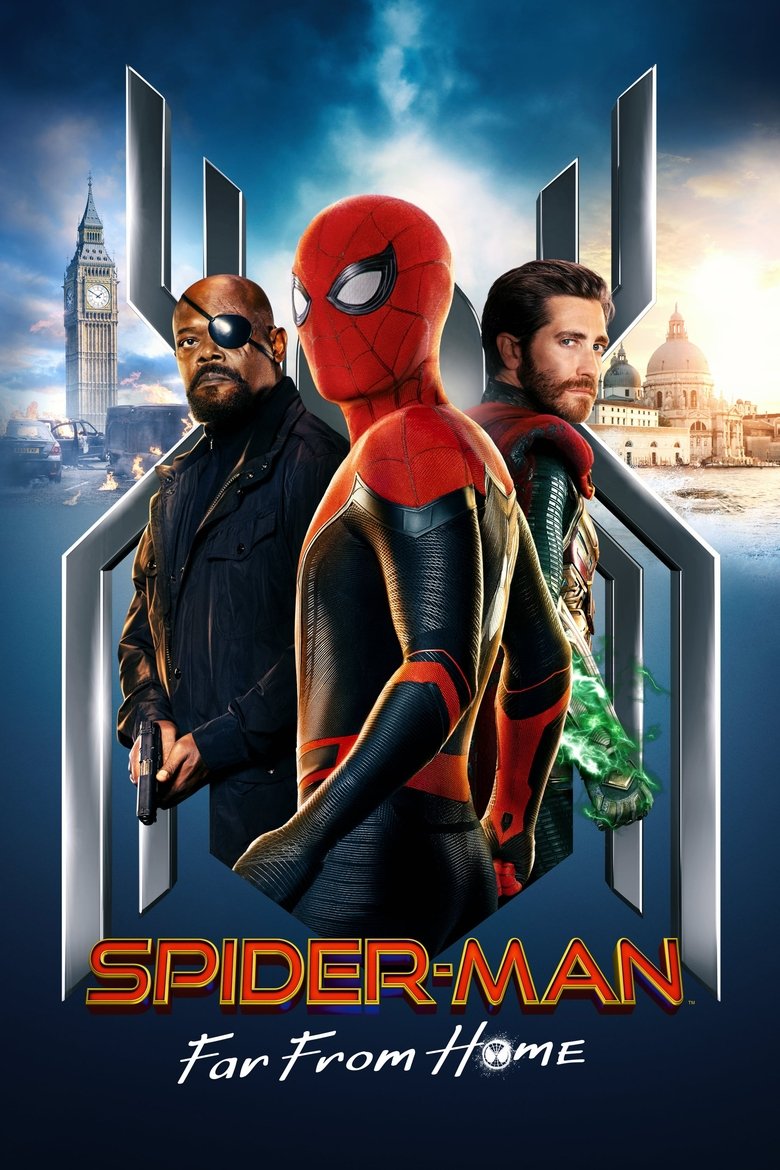
Movies like Spider-Man: No Way Home include Spider-Man: Far from Home (2019), Spider-Man: Brand New Day (2026) and Venom: The Last Dance (2024). Of the 12 closest matches, two are films written by Erik Sommers and Chris McKenna, and all are superhero films.
- Spider-Man: Far from HomePeople:
- Spider-Man: Brand New DayPeople:
- Venom: The Last DanceSubject:
- Avengers: EndgameSubject:
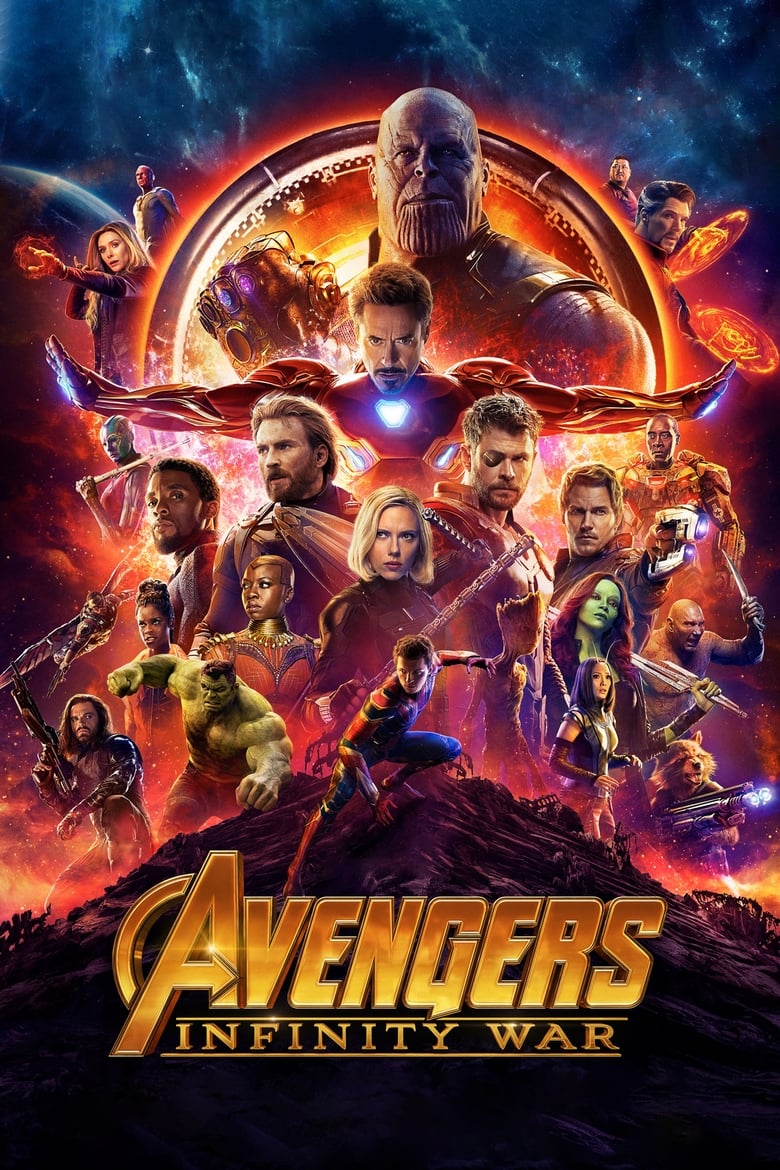
- Avengers: Infinity WarStory type:
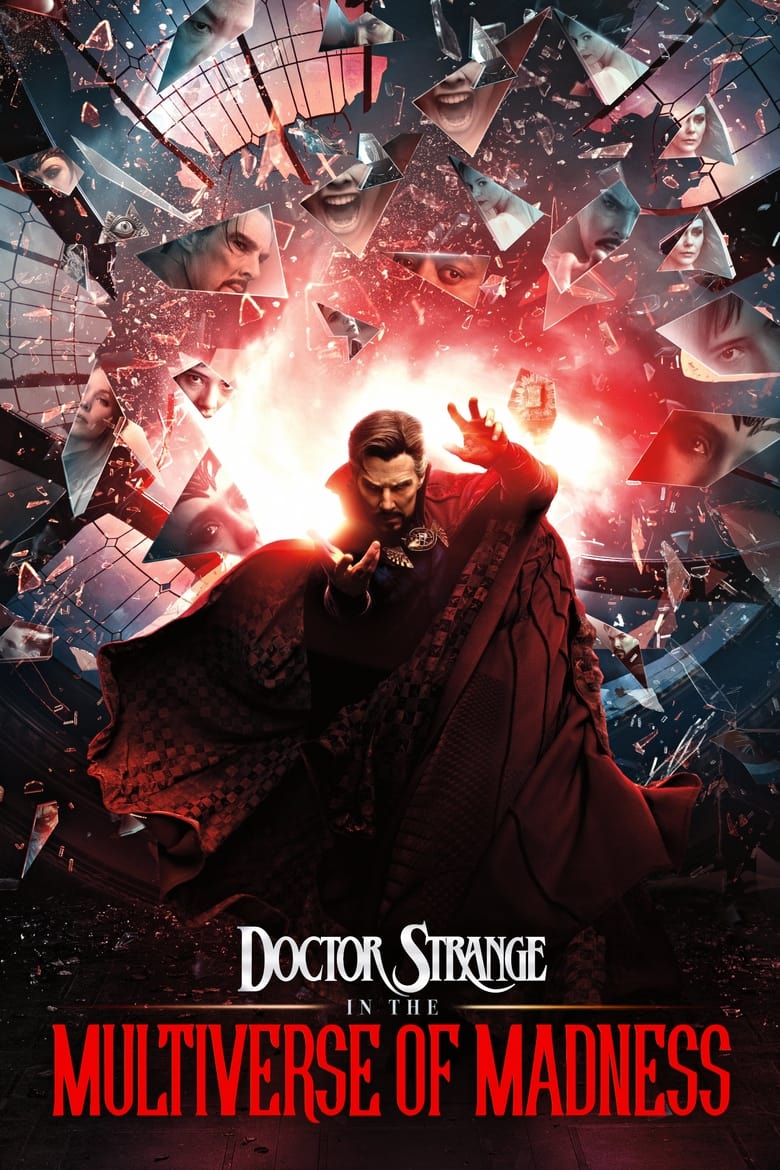
- Doctor Strange in the Multiverse of MadnessPeople:
- The Amazing Spider-Man 2Characters:
- The Fantastic Four: First StepsFeel:
- Thor: Love and ThunderWorld:
- Black Panther: Wakanda ForeverWorld:
- Fantastic Four: Rise of the Silver SurferPeople:
- Captain America: Civil WarFeel:







Why this pick
Explore by
What else shares a premise, people or place with Spider-Man: No Way Home?
139 other films share the rarest tag below, premise: multiverse. Each tag opens Browse with the films that share it.