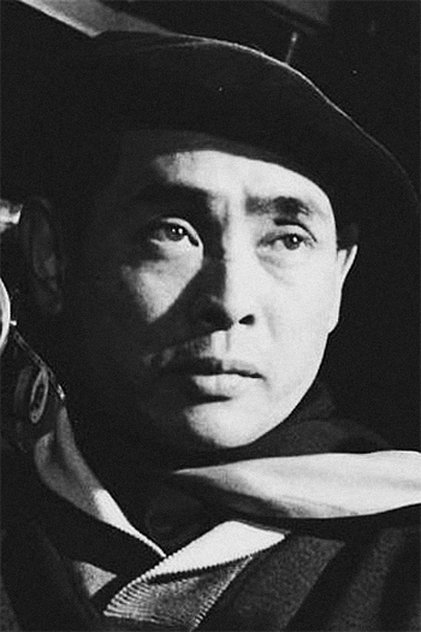
Keisuke Kinoshita (木下 惠介, Kinoshita Keisuke, December 5, 1912 – December 30, 1998) was a Japanese film director. Hugely popular in his home country of Japan, Keisuke Kinoshita worked tirelessly as a director for nearly half a century, making lyrical, sentimental films that often center on the inherent goodness of people, especially in times of distress. He began his directing career during a most challenging time for Japanese cinema: World War II, when the industry’s output was closely monitored by the state and often had to be purely propagandistic. He refused to be bound by genre, technique, or dogma. Kinoshita excelled in almost every genre: comedy, tragedy, social dramas, period films. He shot all films on location or in a one-house set. He pursued severe photographic realism with the long take, long-shot method, and went equally far toward stylization with fast cutting, intricate wipes, tilted cameras, and even classical scroll-painting and Kabuki stage technique. Kinoshita was highly prolific, turning out some 42 films in the first 23 years of his career. For this, Kinoshita explained that he "can’t help it. Ideas for films have always just popped into my head like scraps of paper into a wastebasket." While lesser-known internationally than contemporaries such as Akira Kurosawa, Kenji Mizoguchi and Yasujirō Ozu, he was a household figure in his home country, beloved by both critics and audiences from the 1940s to the 1960s. Although few concrete details have emerged about Kinoshita's personal life, his homosexuality was widely known in the film world. Screenwriter and frequent collaborator Yoshio Shirasaka recalls the "brilliant scene" Kinoshita made with the handsome, well-dressed assistant directors he surrounded himself with. His 1959 film Farewell to Spring (Sekishuncho) has been called "Japan's first gay film" for the emotional intensity depicted between its male characters. Kinoshita received the Order of the Rising Sun in 1984 and was awarded the Order of Culture in 1991 by the Japanese government. He died on December 30, 1998, of a stroke. His grave is in Engaku-ji in Kamakura, very near to that of his fellow Shochiku director, Yasujirō Ozu.
Read moreShow less
Biography from TMDB.
- December 5, 1912
- December 30, 1998 (aged 86)
- Shizuoka, Japan
- Writer, director and producer
- 4 on MovieCove · 86 credits in all
What are Keisuke Kinoshita's films like?
Across a limited sample of 4 MovieCove titles with a thematic analysis, their films lean Survival and Society.
What they feel like to watch
Ironic 0 · Wry 0 · Earnest 4
Light 0 · Serious 2 · Dark 2
A split, not a type: Grounded 2 · Stylized 1 · Heightened 1
Gentle 1 · Charged 2 · Intense 1
Steady 3 · Shifting 1 · Whiplash 0
Straight-faced 4 · Some laughs 0 · Funny 0
Slow burn 3 · Even-paced 1 · Relentless 0
Casual 1 · Engaged 2 · Full focus 1
Easy watch 0 · Affecting 1 · Heavy 3
A split, not a type: Resolved 2 · Open-ended 1 · Ambiguous 1
Moods and endings
AI-generated from each title's plot synopsis and cast list, with extra plot summaries, reviews and Parents Guide notes for titles the model may not know, and the model's own knowledge of the ones it recognizes. Only analyzed titles count, so this covers part of the filmography; the feel axes count films only for now.
Where can I watch Keisuke Kinoshita's films?
As of October 24, 2026, all 4 MovieCove titles stream on a subscription or free service, most on The Criterion Channel (4).


Subscription and free streaming for Keisuke Kinoshita's titles on MovieCove; rent and buy are not counted. Titles are listed by Midcredits score, highest first, at most 12 per service; a dashed chip is a producer credit or a minor one, such as a thanks. A service opens the browse page, which counts movies only, so its number can differ.
Filmography
86 credits, 4 with a MovieCove page; 1 appearance as themselves is hidden until asked for.

カルメン故郷に帰る (not in the MovieCove catalog yet)(2024)
Dora-heita (not in the MovieCove catalog yet)(2000)
Father (not in the MovieCove catalog yet)(1988)

Children on the Island (not in the MovieCove catalog yet)(1987)
Big Joys, Small Sorrows (not in the MovieCove catalog yet)(1986)

Children of Nagasaki (not in the MovieCove catalog yet)(1983)
The Young Rebels (not in the MovieCove catalog yet)(1980)
Oh, My Son! (not in the MovieCove catalog yet)(1979)
日本名作童話シリーズ 赤い鳥のこころ (not in the MovieCove catalog yet)(1979)
Love and Separation in Sri Lanka (not in the MovieCove catalog yet)(1976)
Wagako wa Tanin (not in the MovieCove catalog yet)(1974)
Omoi Bashi (not in the MovieCove catalog yet)(1973)
Kōfuku Sōdan (not in the MovieCove catalog yet)(1972)
Taiyō no Namida (not in the MovieCove catalog yet)(1971)

Mom’s Shoulders (not in the MovieCove catalog yet)(1971)
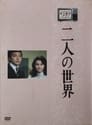
World of Two (not in the MovieCove catalog yet)(1970)

Dodes'ka-den(1970)
Midcredits score: 88th percentile of all films
Story of Yakuza in Naniwa (not in the MovieCove catalog yet)(1970)
Ashita Kara no Koi (not in the MovieCove catalog yet)(1970)
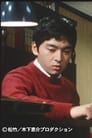
Brother (not in the MovieCove catalog yet)(1969)
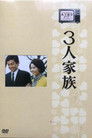
Family of Three (not in the MovieCove catalog yet)(1968)
Oyaji Daiko (not in the MovieCove catalog yet)(1968)

Green Light to Joy (not in the MovieCove catalog yet)(1967)
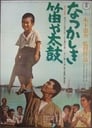
Eyes, the Sea and a Ball (not in the MovieCove catalog yet)(1967)
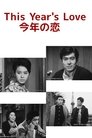
Kotoshi no Koi (not in the MovieCove catalog yet)(1967)
Once a Rainy Day (not in the MovieCove catalog yet)(1966)

She Was Like a Wild Chrysanthemum (not in the MovieCove catalog yet)(1966)

While Yet a Wife (not in the MovieCove catalog yet)(1965)
The Keisuke Kinoshita Hour (not in the MovieCove catalog yet)(1964)
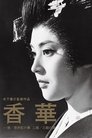
The Scent of Incense (not in the MovieCove catalog yet)(1964)
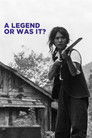
A Legend or Was It? (not in the MovieCove catalog yet)(1963)
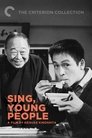
Sing, Young People! (not in the MovieCove catalog yet)(1963)

Children of Izu (not in the MovieCove catalog yet)(1962)
Ballad of a Workman (not in the MovieCove catalog yet)(1962)

Kiriko no unmei (not in the MovieCove catalog yet)(1962)

Dolls floating down the river (not in the MovieCove catalog yet)(1962)
This Year's Love (not in the MovieCove catalog yet)(1962)
Immortal Love (not in the MovieCove catalog yet)(1961)

Don't Ever Die, Mama! (not in the MovieCove catalog yet)(1961)
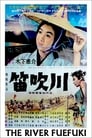
The River Fuefuki (not in the MovieCove catalog yet)(1960)
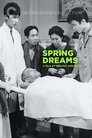
Spring Dreams (not in the MovieCove catalog yet)(1960)
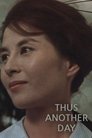
Thus Another Day (not in the MovieCove catalog yet)(1959)
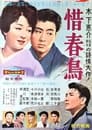
Farewell to Spring (not in the MovieCove catalog yet)(1959)
The Snow Flurry (not in the MovieCove catalog yet)(1959)
The Eternal Rainbow (not in the MovieCove catalog yet)(1958)
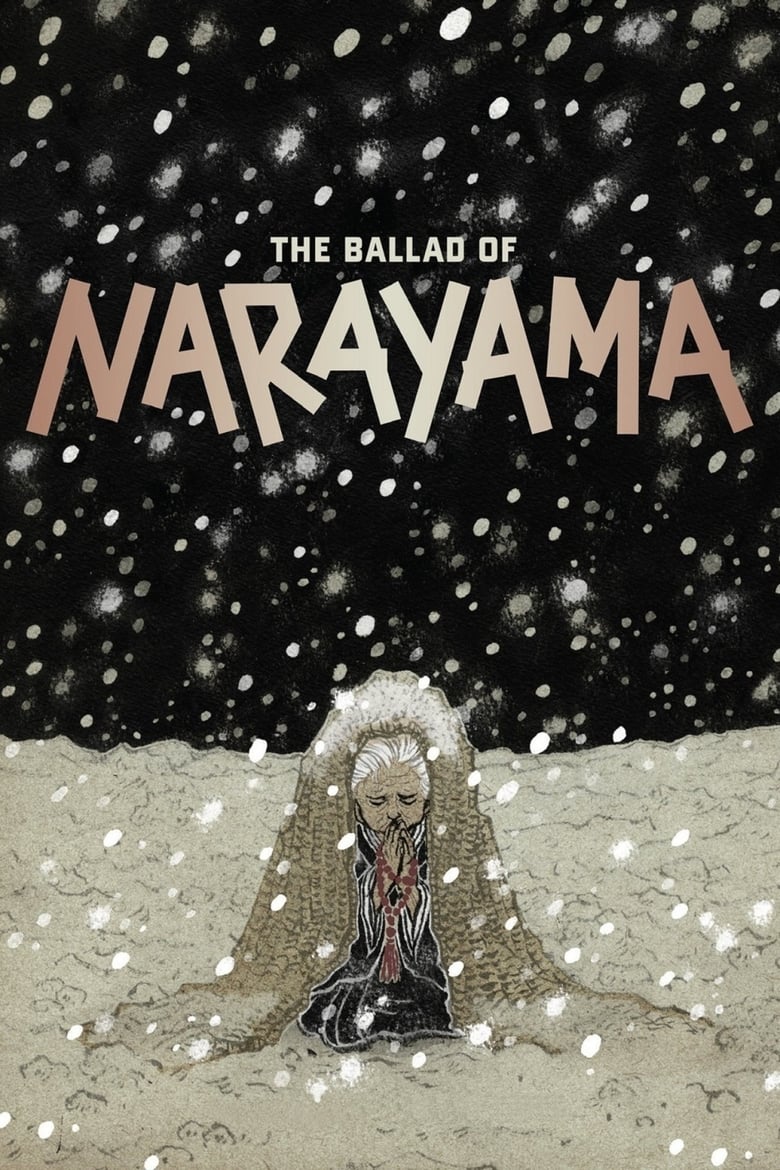
The Ballad of Narayama(1958)
Midcredits score: 97th percentile of all films
Danger Stalks Near (not in the MovieCove catalog yet)(1957)
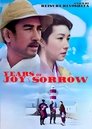
Times of Joy and Sorrow (not in the MovieCove catalog yet)(1957)
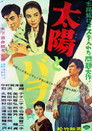
The Rose on His Arm (not in the MovieCove catalog yet)(1956)
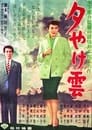
Farewell to Dream (not in the MovieCove catalog yet)(1956)

Ai to chie no wa (not in the MovieCove catalog yet)(1956)
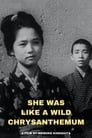
She Was Like a Wild Chrysanthemum (not in the MovieCove catalog yet)(1955)
Bride in the Kitchen (not in the MovieCove catalog yet)(1955)
The Tattered Wings (not in the MovieCove catalog yet)(1955)
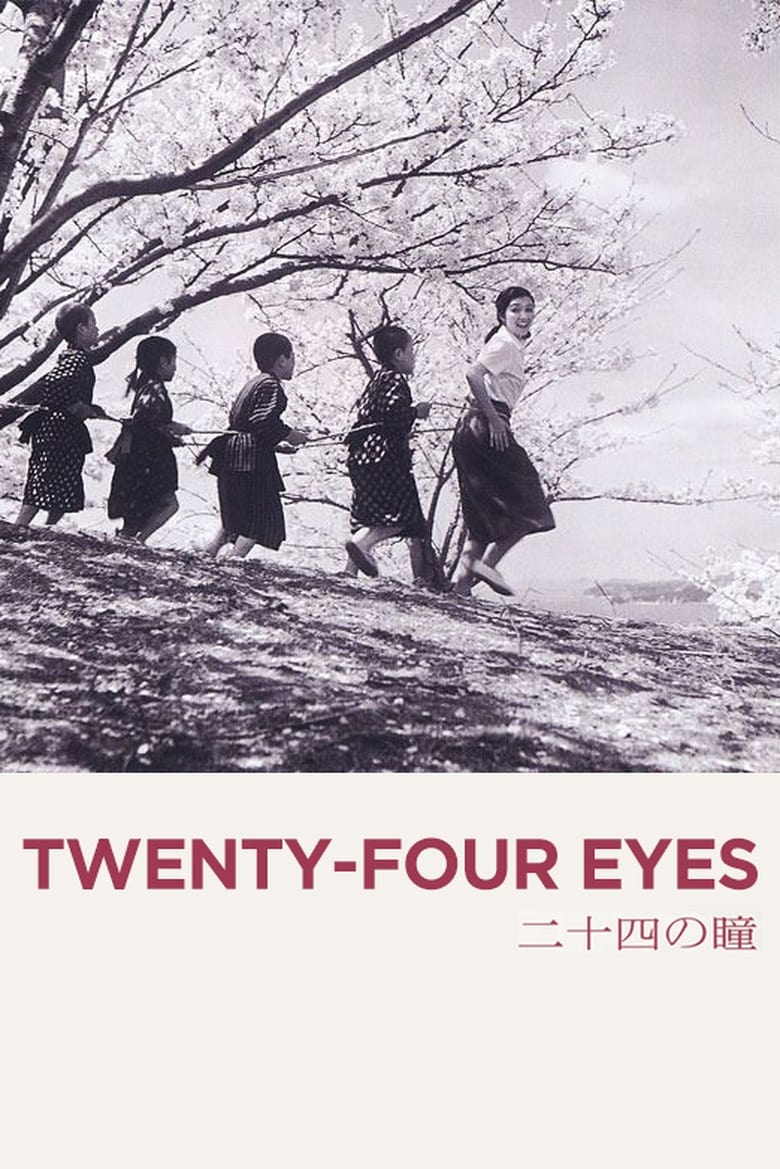
Twenty-Four Eyes(1954)
Midcredits score: 97th percentile of all films
The Garden of Women (not in the MovieCove catalog yet)(1954)

Love Letter (not in the MovieCove catalog yet)(1953)
A Japanese Tragedy (not in the MovieCove catalog yet)(1953)

Sincere Heart (not in the MovieCove catalog yet)(1953)
Carmen's Innocent Love (not in the MovieCove catalog yet)(1952)
Fireworks Over the Sea (not in the MovieCove catalog yet)(1951)
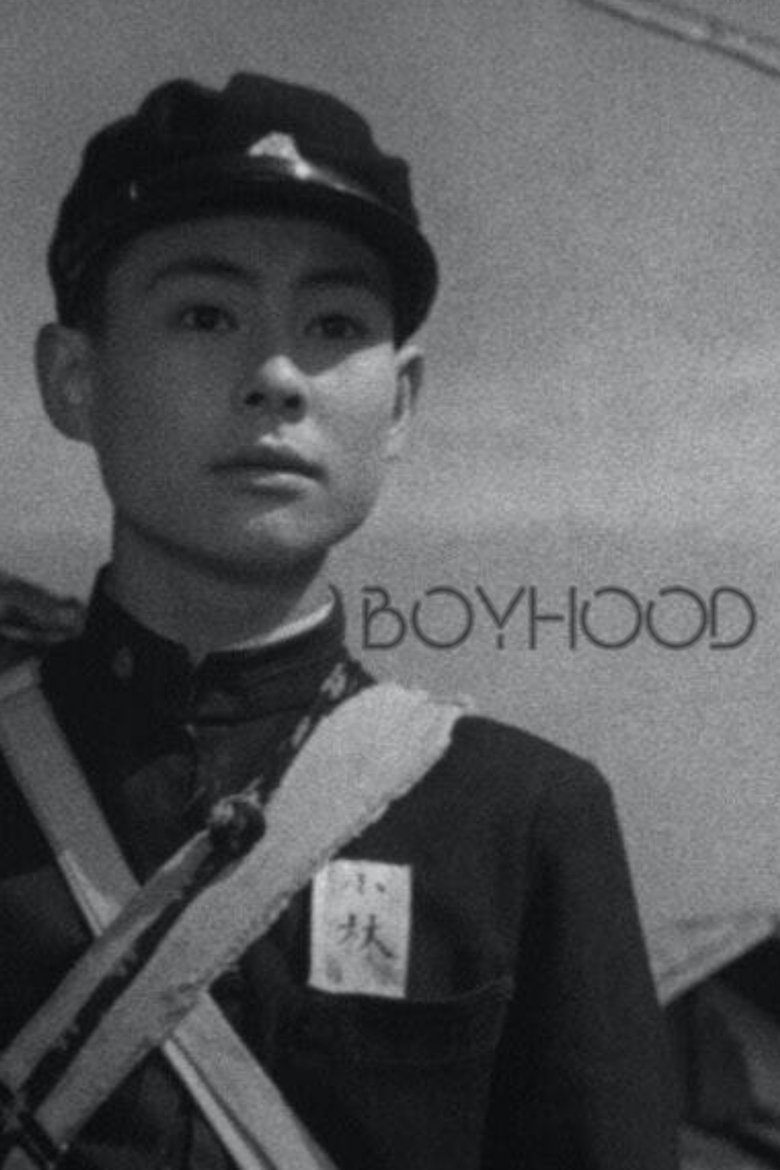
Boyhood(1951)
Midcredits score: 64th percentile of all films
Carmen Comes Home (not in the MovieCove catalog yet)(1951)
The Good Fairy (not in the MovieCove catalog yet)(1951)
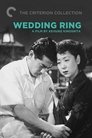
Wedding Ring (not in the MovieCove catalog yet)(1950)
Broken Drum (not in the MovieCove catalog yet)(1949)

Yotsuya Ghost Story Part 2 (not in the MovieCove catalog yet)(1949)
Yotsuya Ghost Story Part 1 (not in the MovieCove catalog yet)(1949)
Here's to the Young Lady (not in the MovieCove catalog yet)(1949)
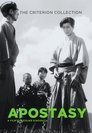
Apostasy (not in the MovieCove catalog yet)(1948)
The Portrait (not in the MovieCove catalog yet)(1948)
Woman (not in the MovieCove catalog yet)(1948)
Phoenix (not in the MovieCove catalog yet)(1947)
Marriage (not in the MovieCove catalog yet)(1947)
The Girl I Loved (not in the MovieCove catalog yet)(1946)
Morning for the Osone Family (not in the MovieCove catalog yet)(1946)
Army (not in the MovieCove catalog yet)(1944)
Jubilation Street (not in the MovieCove catalog yet)(1944)
The Living Magoroku (not in the MovieCove catalog yet)(1943)
Port of Flowers (not in the MovieCove catalog yet)(1943)
Otoko no iki (not in the MovieCove catalog yet)(1942)

The Spy Has Not Died Yet (not in the MovieCove catalog yet)(1942)

The Story of Tank Commander Nishizumi (not in the MovieCove catalog yet)(1940)
Five Siblings (not in the MovieCove catalog yet)(1939)
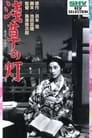
The Lights of Asakusa (not in the MovieCove catalog yet)(1937)
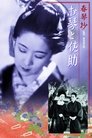
Okoto and Sasuke (not in the MovieCove catalog yet)(1935)
Career shape
A full career of 86 titles from 1935 to 2024.
How do Keisuke Kinoshita's films land?
Their typical MovieCove film has a Midcredits score in the 93rd percentile, the median of all 4; across a limited sample of 4 films with reception data, the typical film sits in the 91st percentile for acclaim.
- 75th and up3
- 50th to 74th1
Shape of the crowd
None of their 4 titles divides audiences: 2 are Universally Loved.
- Universally Loved2
- Crowd Pleaser2
Reviewers score the dialogue 47/100 and the plot and story 50/100 in their films, across 3 reviewed titles. The element that speaks to their work as a writer.
Percentiles are each film's standing among all films on MovieCove; the typical film is the median, so one outlier cannot drag it. Percentiles and reviewer scores count the films IMDb credits them on, for now; the Midcredits score bands, the shape of the crowd and the two cards count their MovieCove titles, shows included (a show ranked among shows), appearances as themselves left out. A descriptor is the shape of a title's IMDb rating distribution against the catalog; "most divisive" needs a spread wider than half of all titles, and a card names only a principal credit: a craft role, and on a show a crew role or a run of episodes, never a courtesy credit or a one-off guest spot.
Who does Keisuke Kinoshita work with?
People who share at least 2 of Keisuke Kinoshita's MovieCove titles, grouped by what they did on them; Chûji Kinoshita shares the most, 3.
Actors
- Chishū RyūShared titles: Twenty-Four Eyes (1954), Boyhood (1951)See all 2 shared titles with Chishū Ryū
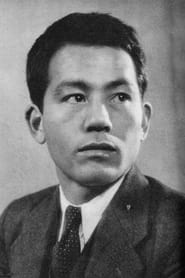
Composers, cinematographers and editors
- Chûji KinoshitaShared titles: The Ballad of Narayama (1958), Twenty-Four Eyes (1954), Boyhood (1951)See all 3 shared titles with Chûji Kinoshita
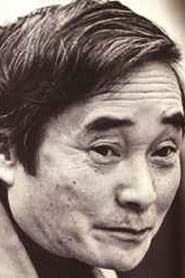
- Hiroshi KusudaShared titles: The Ballad of Narayama (1958), Twenty-Four Eyes (1954), Boyhood (1951)See all 3 shared titles with Hiroshi Kusuda
- Yoshi SugiharaShared titles: The Ballad of Narayama (1958), Twenty-Four Eyes (1954), Boyhood (1951)See all 3 shared titles with Yoshi Sugihara