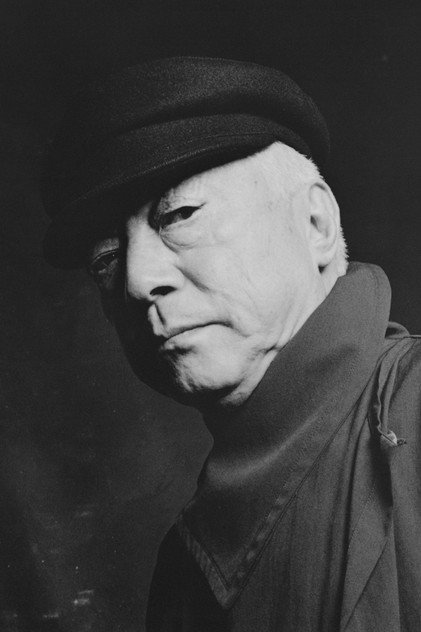
Hiroshi Teshigahara (January 28, 1927 – April 14, 2001) was an avant-garde Japanese filmmaker. He was born in Tokyo, son of Sofu Teshigahara, founder and grand master of the Sogetsu School of ikebana. He graduated in 1950 from the Tokyo National University of Fine Arts and Music and began working in documentary film. He directed his first feature film, Pitfall (1962), in collaboration with author Kōbō Abe and musician Tōru Takemitsu. The film won the NHK New Director's award, and throughout the 1960s, he continued to collaborate on films with Abe and Takemitsu while simultaneously pursuing his interest in ikebana and sculpture on a professional level. In 1965, the Teshigahara/Abe film Woman in the Dunes (1964) was nominated for an Academy Award and won the Special Jury Prize at the Cannes Film Festival. In 1972, he worked with Japanese researcher and translator John Nathan to make the movie Summer Soldiers, a film set during the Vietnam War about American deserters living on the fringe of Japanese society. From the mid-1970s onwards, he worked less frequently on feature films as he concentrated more on documentaries, exhibitions and the Sogetsu School and became grand master of the school in 1980. In 1978, Teshigahara Hiroshi directed the final two episodes of the long running and popular Japanese television series Shin Zatouichi, starring Shintarō Katsu as the blind wandering Yakuza. During Akira Kurosawa's 5 year hiatus from filmmaking, he watched a lot of television and was particularly taken by the final episode of Shin Zatouichi - Episode: Journey of Dreams (1978). The influence of this particular episode included the initial casting of Shintaro Katsu in the lead roles in Kagemusha and the extended artistic dream sequences contributed to those seen in Kagemusha (1980). On the first anniversary of his death, April 14, 2002, a DVD box set containing his best known work was released in Japan in commemoration.
Read moreShow less
Biography from TMDB.
- January 28, 1927
- April 14, 2001 (aged 74)
- Chiyoda, Tokyo, Japan
- Director and writer
- 3 on MovieCove · 32 credits in all
What are Hiroshi Teshigahara's films like?
Across a limited sample of 3 MovieCove titles with a thematic analysis, their films lean Self and Society.
What they feel like to watch
Ironic 0 · Wry 0 · Earnest 3
Light 0 · Serious 1 · Dark 2
A split, not a type: Grounded 0 · Stylized 2 · Heightened 1
Gentle 1 · Charged 1 · Intense 1
Steady 3 · Shifting 0 · Whiplash 0
Straight-faced 3 · Some laughs 0 · Funny 0
Slow burn 3 · Even-paced 0 · Relentless 0
Casual 0 · Engaged 2 · Full focus 1
Easy watch 0 · Affecting 1 · Heavy 2
Resolved 0 · Open-ended 1 · Ambiguous 2
Moods and endings
AI-generated from each title's plot synopsis and cast list, with extra plot summaries, reviews and Parents Guide notes for titles the model may not know, and the model's own knowledge of the ones it recognizes. Only analyzed titles count, so this covers part of the filmography; the feel axes count films only for now.
Where can I watch Hiroshi Teshigahara's films?
As of October 24, 2026, 2 of their 3 MovieCove titles stream on a subscription or free service, on The Criterion Channel (2).


Subscription and free streaming for Hiroshi Teshigahara's titles on MovieCove; rent and buy are not counted. Titles are listed by Midcredits score, highest first, at most 12 per service; a dashed chip is a producer credit or a minor one, such as a thanks. A service opens the browse page, which counts movies only, so its number can differ.
Filmography
32 credits, 3 with a MovieCove page.

Dream Window: Reflections on the Japanese Garden (not in the MovieCove catalog yet)(1992)

Basara: The Princess Goh (not in the MovieCove catalog yet)(1992)

Rikyu(1989)
Midcredits score: 83rd percentile of all filmsBasara no Hana (Flowers of Extravagance) (not in the MovieCove catalog yet)(1985)

Antonio Gaudí (not in the MovieCove catalog yet)(1984)

Moving Sculpture: Jean Tinguely (not in the MovieCove catalog yet)(1981)

Zatoichi Monogatari (not in the MovieCove catalog yet)(1974)
Summer Soldiers (not in the MovieCove catalog yet)(1972)

240 Hours in One Day (not in the MovieCove catalog yet)(1970)

The Man Without a Map (not in the MovieCove catalog yet)(1968)

Explosion Course (not in the MovieCove catalog yet)(1967)

The Face of Another(1966)
Midcredits score: 97th percentile of all films
Jose Torres II (not in the MovieCove catalog yet)(1965)

Ako (not in the MovieCove catalog yet)(1964)
That Tender Age (not in the MovieCove catalog yet)(1964)

Woman in the Dunes(1964)
Midcredits score: 99th percentile of all films
Pitfall (not in the MovieCove catalog yet)(1962)

Sculptures by Sofu - Vita (not in the MovieCove catalog yet)(1962)

Jose Torres (not in the MovieCove catalog yet)(1959)
Drumu To Shonen (not in the MovieCove catalog yet)(1959)

Gaudi, Catalunya (not in the MovieCove catalog yet)(1959)

Yurakucho 0 Street (not in the MovieCove catalog yet)(1958)

The Living Sea (not in the MovieCove catalog yet)(1958)

Tokyo 1958 (not in the MovieCove catalog yet)(1958)
Living in a Rough Sea (not in the MovieCove catalog yet)(1958)
The World Is Terrified: The Reality of the “Ash of Death” (not in the MovieCove catalog yet)(1957)

Ikebana (not in the MovieCove catalog yet)(1957)

Record of Bloodshed: Sunagawa (not in the MovieCove catalog yet)(1957)
It Is Good to Live (not in the MovieCove catalog yet)(1956)
Wheat Will Never Fall (not in the MovieCove catalog yet)(1955)

12 Photographers (not in the MovieCove catalog yet)(1955)
Hokusai (not in the MovieCove catalog yet)(1953)
Career shape
A full career of 32 titles from 1953 to 1992.
How do Hiroshi Teshigahara's films land?
Their typical MovieCove film has a Midcredits score in the 97th percentile, the median of all 3; across a limited sample of 3 films with reception data, the typical film sits in the 97th percentile for acclaim.
- 75th and up3
Shape of the crowd
None of their 3 titles divides audiences: 2 are Universally Loved.
- Universally Loved2
- Crowd Pleaser1
Reviewers score the atmosphere 86/100 and the pacing 43/100 in their films, across 3 reviewed titles. The element that speaks to their work as a director.
Percentiles are each film's standing among all films on MovieCove; the typical film is the median, so one outlier cannot drag it. Percentiles and reviewer scores count the films IMDb credits them on, for now; the Midcredits score bands, the shape of the crowd and the two cards count their MovieCove titles, shows included (a show ranked among shows), appearances as themselves left out. A descriptor is the shape of a title's IMDb rating distribution against the catalog; "most divisive" needs a spread wider than half of all titles, and a card names only a principal credit: a craft role, and on a show a crew role or a run of episodes, never a courtesy credit or a one-off guest spot.
Who does Hiroshi Teshigahara work with?
People who share at least 2 of Hiroshi Teshigahara's MovieCove titles, grouped by what they did on them; Kyôko Kishida shares the most, 3.
Writers
- Kôbô AbeShared titles: The Face of Another (1966), Woman in the Dunes (1964)See all 2 shared titles with Kôbô Abe

Actors
- Kyôko KishidaShared titles: Rikyu (1989), The Face of Another (1966), Woman in the Dunes (1964)See all 3 shared titles with Kyôko Kishida

- Hisashi IgawaShared titles: Rikyu (1989), The Face of Another (1966)See all 2 shared titles with Hisashi Igawa
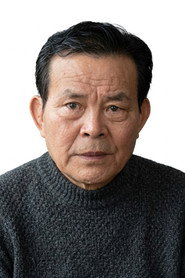
- Eiji OkadaShared titles: The Face of Another (1966), Woman in the Dunes (1964)See all 2 shared titles with Eiji Okada
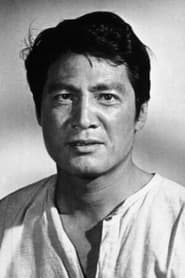
- Hideo KanzeShared titles: The Face of Another (1966), Woman in the Dunes (1964)See all 2 shared titles with Hideo Kanze
Composers and cinematographers
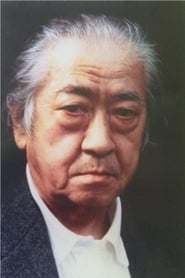
- Tôru TakemitsuShared titles: Rikyu (1989), The Face of Another (1966), Woman in the Dunes (1964)See all 3 shared titles with Tôru Takemitsu
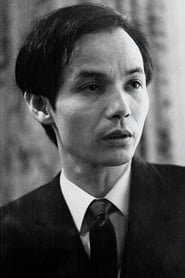
- Hiroshi SegawaShared titles: The Face of Another (1966), Woman in the Dunes (1964)See all 2 shared titles with Hiroshi Segawa
Producers
- Kiichi IchikawaShared titles: The Face of Another (1966), Woman in the Dunes (1964)See all 2 shared titles with Kiichi Ichikawa
- Tadashi ÔnoShared titles: The Face of Another (1966), Woman in the Dunes (1964)See all 2 shared titles with Tadashi Ôno