Max & Ruby
Meet two funny bunny siblings, the energetic and mischievous Max, and the patient, smart and goal-oriented Ruby. The show models empowering messages by showing Max and Ruby playing together and resolving their differences respectfully and supportively.
Your rating, lists and review
Where to watch
Where can I watch Max & Ruby?
As of October 24, 2026, MovieCove lists Max & Ruby streaming on Paramount+ via Prime Video and to rent or buy on Apple TV and Prime Video.
Subscription




Highlights
What stands out about Max & Ruby?
Max & Ruby earns 2 badges, led by Overhyped and Feel-good.
- Overhyped, Reception badge.81st percentile reach, 19th percentile Midcredits score
- Feel-good, Craft and mood badge.Leaves you feeling good
- Reception
- Craft and mood
Reception
Is Max & Ruby worth watching?
Max & Ruby's Midcredits score is the 19th percentile of all shows, from 3.8K ratings across 2 sources. 52% liked it (rated it 7 or higher out of 10).
Midcredits score
19th percentile
Better received than 19% of shows
Acclaim
63 /100
20th percentile of all shows
Rating distribution
votes at each rating level (1–10)
Big peaks at both ends — people either love this or bounce off it hard.
Approval
52% liked it
20th percentile of all shows
Reach
81st percentile
3.8K ratings across platforms
What reviewers say
Common ground
Max and Ruby is a simple, slow-paced preschool show about a bossy older sister and a mischievous younger brother who solve everyday problems on their own without parents.
Fans praised
- adorable, old-fashioned visual style with book-lifted animation
- sweet, gentle humor that appeals to both kids and adults
- teaches sibling compromise and problem-solving through everyday adventures
Detractors panned
- Ruby is bossy and neglectful, no positive sibling model
- no parent figures, leaving children with age-inappropriate responsibility
- Max is never corrected for bad behavior, rewarding disobedience
What stands out
wholesome, gentle, old-fashioned world with book-like charm
slow, gentle pace praised by fans; detractors call it boring
book-lifted 2D animation with painted backgrounds and retro techniques
mellow, old-timey jazz music praised; upbeat and charming
Max's antics and Ruby's frustration comedic; detractors see no real laughs
unique book-lifted visual style; critics call plots repetitive
Ruby seen as bossy or a good caretaker; Max as mischievous but cute or a brat
simple everyday conflicts resolved without yelling
Preferred by
No notable difference between any of the groups: each pair ranks it within 10 percentile points.
- Women vs men 2 points apart
- Under-30s vs over-30s 1 point apart
- US vs non-US 5 points apart
Episodes
- S7E1
Max's Sleepover
- S7E2
Slugger Max
- S7E3
Max's Fort
- S7E4
Ruby's Party Dress
- S7E5
The Frog and the Fly
- S7E6
Bye Bye Max's Lobster
- S7E7
Ruby's Rocking Bunnies
- S7E8
Max's Jump Shot
- S7E9
Max's Parachute
- S7E10
The Class Pet
- S7E11
Ruby's Knot
- S7E12
Soccer Star Max
- S7E13
Ruby's Book Reading
- S7E14
Max and a Space Alien
- S7E15
Max and Ruby's Bunnyhop Parade
- S7E16
The Bunny Gnome
- S7E17
Max's Movie Magic
- S7E18
Robo-Max
- S7E19
Let it Snow
- S7E20
Max's Hug
- S7E21
Super Spy Max
- S7E22
Max's Big Race
- S7E23
Max's S'mores
- S7E24
One of a Kind Ruby
- S7E25
Ruby's To Do List
- S7E26
Ruby's Apples
- S7E27
Ruby's Storytime
- S7E28
Ruby's Puzzling Puzzle
- S7E29
Ruby's Egg Hunt
- S7E30
Happy Baby Huffington
- S7E31
Ruby's Cupcakes
- S7E32
Mover Max
- S7E33
Ruby's Circus
- S7E34
Ruby's Rock
- S7E35
Max's Backyard Safari
- S7E36
Max and Ruby's Father's Day
- S7E37
Ruby's Hockey Practice
- S7E38
Ruby's Yoga Twist
- S7E39
Ruby's Cafe
- S7E40
Ruby's Tidy Town
- S7E41
Max the Dragon Tamer
- S7E42
Ruby's Tea Party Surprise
- S7E43
Max's Bump in the Night
- S7E44
Max and Ruby and the New Baby
- S7E45
Max's Crew
- S7E46
Super Helpful Max
- S7E47
The Twins' Puppet Show
- S7E48
Max & Ruby's Switch
- S7E49
Sea Monster Max
- S7E50
Max's Bunny Scout Badge
Watch experience
What is Max & Ruby like to watch?
Earnest, light and gentle — a slow-burn watch that leaves you feeling good.
Themes
- Family bonds
How it leaves you
- Feel-good
- Cozy
Feelings
- Warm
- Joyful
What it asks of you
- Slow burn
- Casual
- Easy watch
- Resolved
Setting
- Timeless
- Realistic
- Suburban
- Domestic
Story
- Comedy: Confusion and cross-purposes resolved into harmony.
Style
- Warm
- Playful
What it asks of you
What it feels like
How it leaves you
Story archetype
Every story archetype, clockwise from the top
- Monster 18%: Predator 7% · Tyrant 3% · Invasion 2% · Oppressive state 3% · Corporate villainy 1% · Institutional injustice 1% · Class system under 1% · Technology turns under 1% · Inner demon 1%
- Rags 3%: Underdog triumph 2% · Social ascent 1% · Fame and fortune under 1% · Rise and fall under 1% · Hidden worth revealed under 1%
- Quest 6%: Treasure hunt 1% · Rescue 2% · Mission 4% · Journey home under 1% · Pilgrimage under 1%
- Voyage 2%: Portal fantasy under 1% · Fish out of water 1% · Survival ordeal under 1% · Time displacement under 1% · Descent under 1%
- Comedy 12% (this title): Romantic comedy 2% · Comedy of errors 3% · Farce 2% · Buddy comedy 1% · Comedy of manners 2%
- Tragedy 4%: Hubris 1% · Obsession under 1% · Corruption arc 1% · Doomed love 1% · Crushed by fate 1%
- Rebirth 7%: Redemption 1% · Healing 3% · Liberation 2% · Second chance 1%
- Mystery 8%: Puzzle 1% · Investigation 6% · Enigma 1%
- No archetype 40%
What it's about
Every theme, clockwise from the top
- Bonds 31% (this title): Romantic love 10% · Marriage 2% · Family bonds 22% (this title) · Parenthood 1% · Friendship 18% · Loyalty 7%
- Self 27%: Identity 20% · Coming of age 9% · Aging under 1% · Self-worth 7% · Ambition 14% · Purpose 16% · Memory 3% · Obsession 2%
- Power 7%: Power 5% · Corruption 3% · Greed 2% · Class 4% · Oppression 2% · Freedom 4%
- Morality 11%: Justice 14% · Duty 2% · Revenge 1% · Guilt 1% · Redemption 3% · Forgiveness under 1% · Sacrifice 2% · Betrayal 3% · Deception 6%
- Survival 9%: Survival 12% · War 1% · Violence 2% · Mortality 2% · Grief 4% · Trauma 5% · Mental illness under 1% · Addiction under 1% · Illness and disability under 1%
- Society 10%: Community 25% · Isolation 3% · Prejudice 2% · Displacement 1% · Faith 1% · Tradition vs change 3% · Fame 5% · Legacy 3%
- Ideas 5%: Fate 1% · Free will under 1% · Truth 6% · Hope 4% · Nature 3% · Art 2% · Technology 1%
The world
Content guide
Is Max & Ruby okay for kids?
TV-YMax & Ruby is rated TV-Y. As of October 3, 2026, Midcredits content scores put its violence at mild (35/100), sexual content at mild (35/100), language at mild (34/100), drug and alcohol content at mild (33/100) and frightening material at mild (32/100). Overall it is heavier than 47% of TV-Y shows.
Ratings in 13 other countriesRatings elsewhere
- CanadaG
- AustraliaPG
- Germany0
- South KoreaALL
- BrazilL
- FinlandS
- IndiaU
- ItalyT
- MexicoAA
- NetherlandsAL
- PhilippinesG
- Switzerland0
- TürkiyeGenel İzleyici
Point along a line to see a well-known title at that level.
Nothing here is extreme. The strongest element is violence, heavier than 48% of TV-Y shows.
Source: Midcredits content scores, 0 (none) to 100 (severe) per category, with each standing ranked against other shows that have them.
What content warnings does Max & Ruby have?
Not screened for content warnings yet.
Cast and crew
Who is in Max & Ruby?
Cast




Crew
Directed by
Written by
+24 more
, Mark Smith, Andres Nieves, Anne-Marie Perrotta, Bruce Robb, Kim Thompson, Shelley Hoffman, Ray Leong, Tatyana Terzopoulos, Stephen Senders, James Backshall, Sheila Rogerson, Donna Zeller, John Slama, Kate Barris, Nicole Demerse, Rosemary Wells, Robert Pincombe, Bernice Vanderlaan, Ruby Browman, Andrew Sabiston, Matt Holtz, Sarah Hinklero, John Mein, Patrick GranleeseMore like this
What are shows like Max & Ruby?
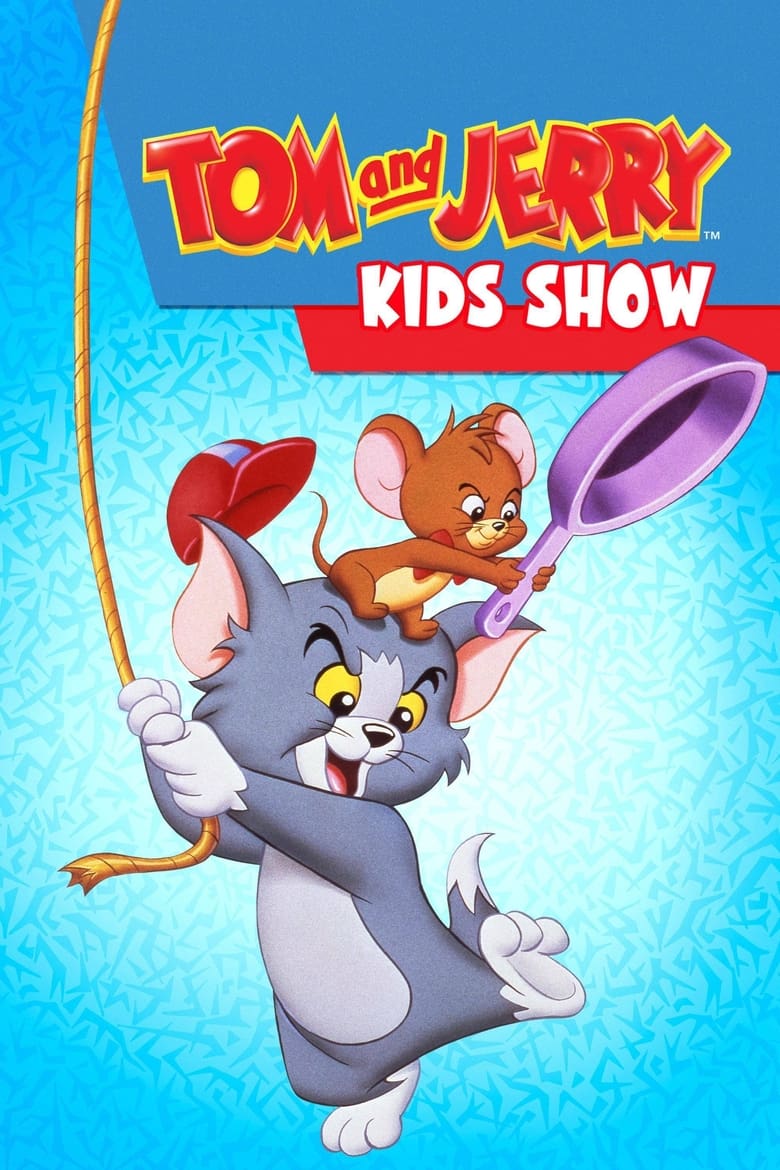
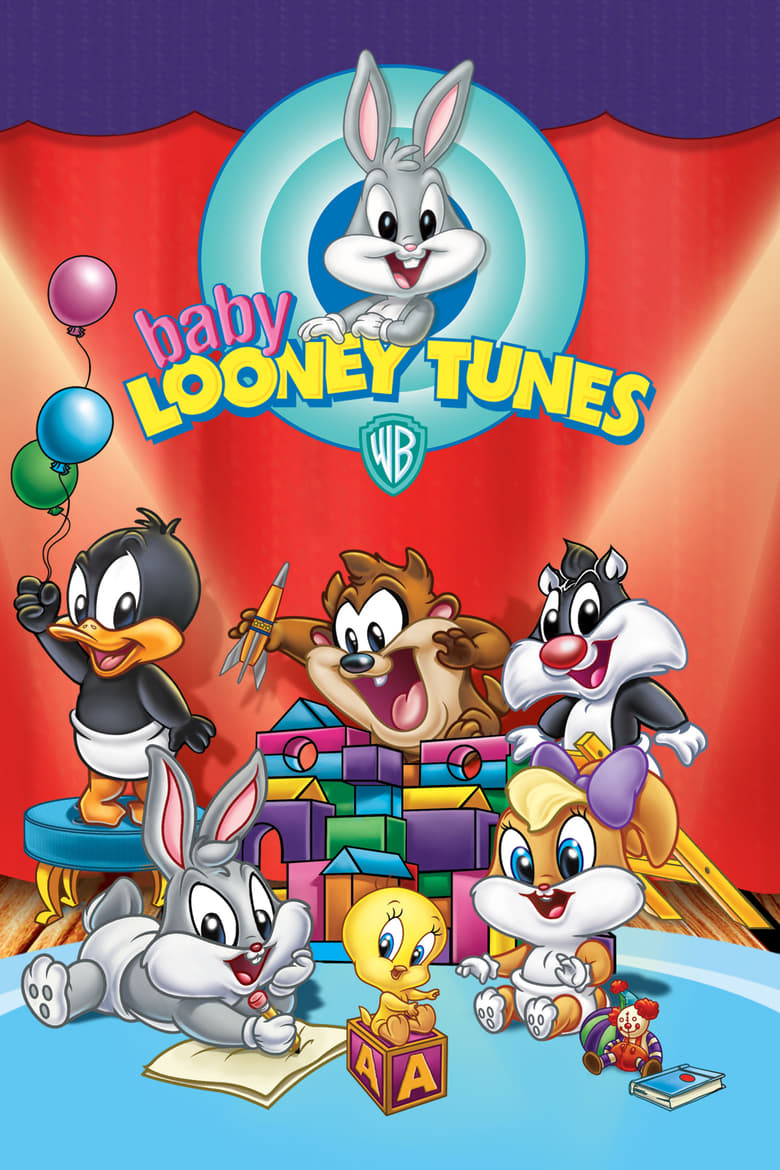
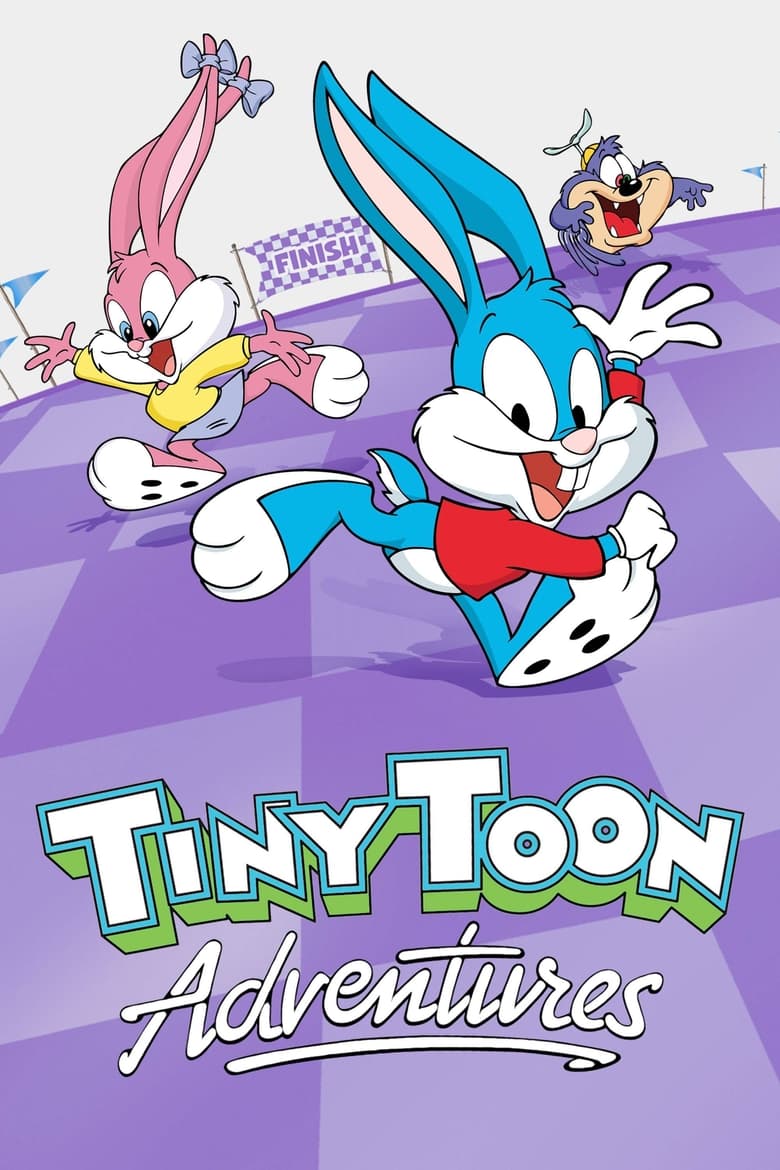
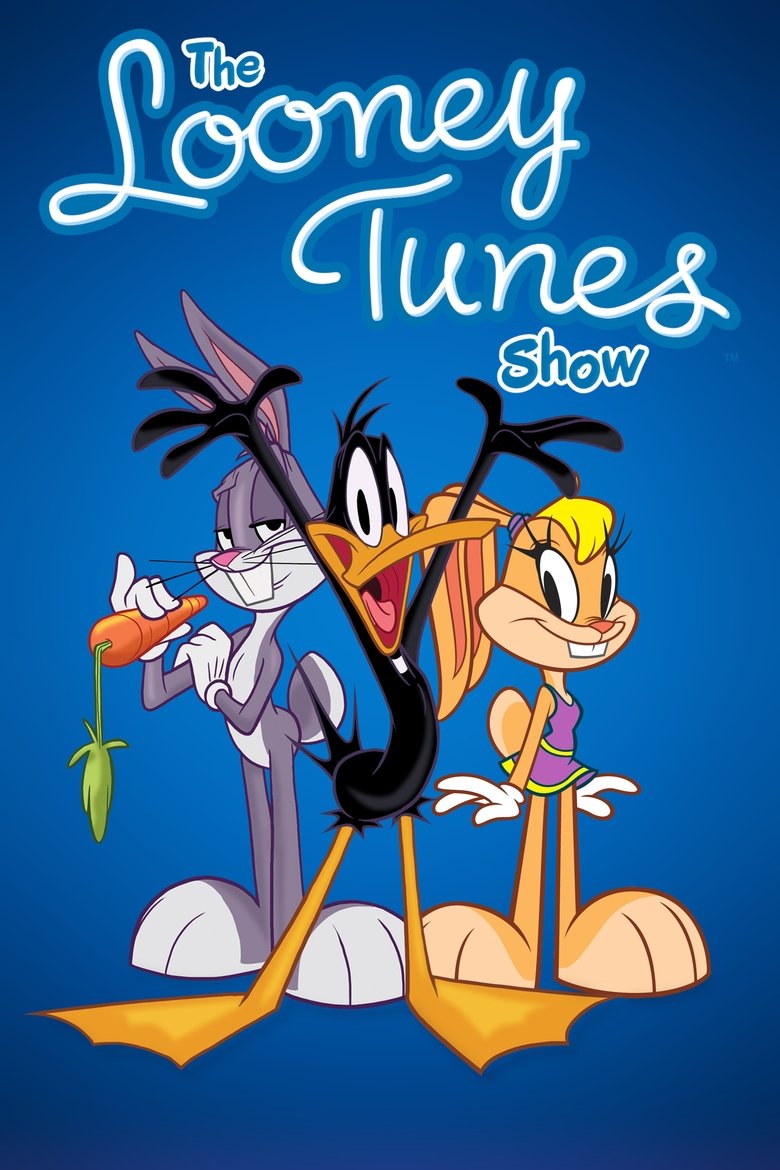
TMDB's suggestions for shows like Max & Ruby include Tom & Jerry Kids Show (1990), Baby Looney Tunes (2001) and Mickey Mouse Clubhouse (2006).


Explore by
What other shows share a tag with Max & Ruby?
523 other shows share the rarest tag below, relationship: sibling bond. Each tag opens Browse with the shows that share it.