Skip to content
MovieCove
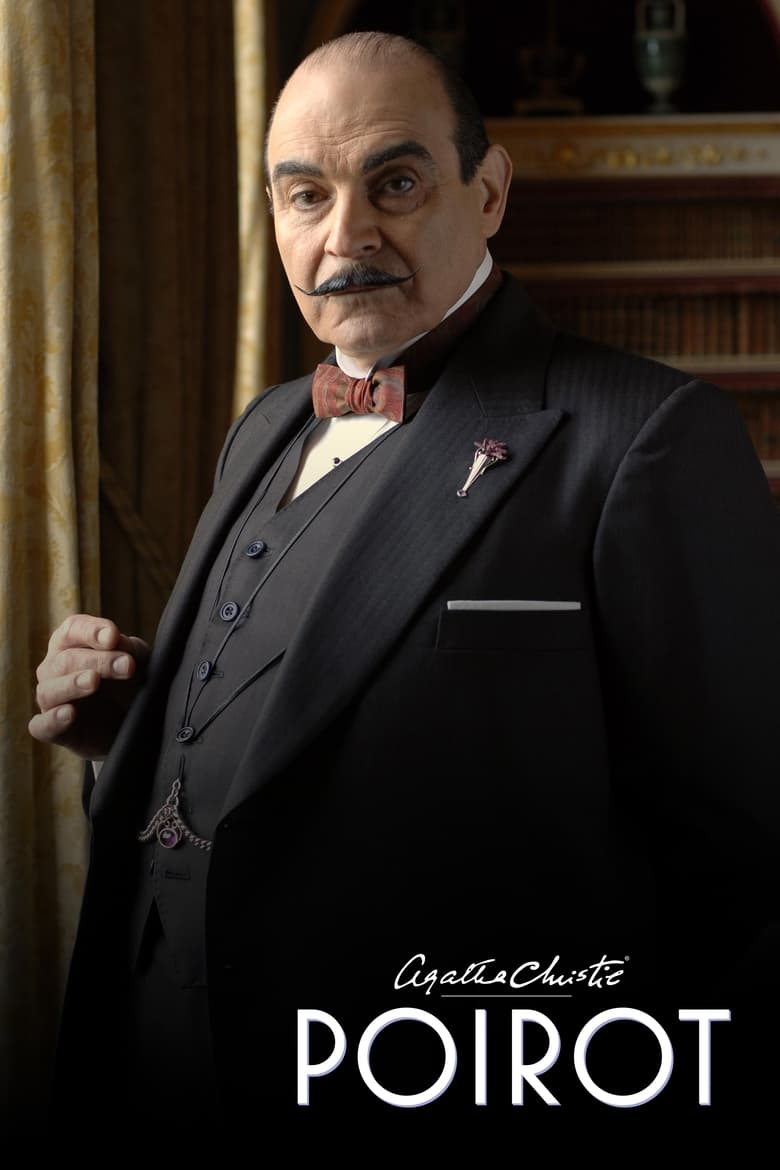
Poirot

Poirot

1989–2013Ended13 seasons70 episodes~100 min/epTV-14Midcredits score: 98th percentile of all shows

From England to Egypt, accompanied by his elegant and trustworthy sidekicks, the intelligent yet eccentrically-refined Belgian detective Hercule Poirot pits his wits against a collection of first class deceptions.

Your rating, lists and review

Where can I watch Poirot?

As of October 24, 2026, MovieCove lists Poirot streaming on Acorn TV via Prime Video, BritBox, Hulu, PBS Masterpiece via Prime Video and Prime Video (free) and to rent or buy on Prime Video.

Rent / Buy

What stands out about Poirot?

Poirot earns 8 badges, led by Stood the test of time and Top 5% of shows.

  • Rank
  • Reception
  • Craft and mood

Is Poirot worth watching?

Poirot's Midcredits score is the 98th percentile of all shows, from 61K ratings across 2 sources. 93% liked it (rated it 7 or higher out of 10).

Midcredits score

How well it was received

98th percentile

Better received than 98% of shows

98th percentile among Crime98th percentile among 1980s
Acclaim (how much people like it)96th
Approval (how many liked it)97th

Acclaim

Universally Loved: Rating-distribution shape vs the catalog

How much people like it

85 /100

96th percentile of all shows

98th percentile among Crime94th percentile among 1980s

Rating distribution

Ratings pile up at 9–10 with almost no detractors — near-universal love.

Approval

How many liked it

93% liked it

97th percentile of all shows

96th percentile among Crime98th percentile among 1980s
93% rated it 7–107% rated it 1–6

Reach

How many have seen it

97th percentile

60K ratings across platforms

94th percentile among Crime97th percentile among 1980s
TMDB popularity, last 37 days to Oct 26Up 5% in 30 days

What reviewers say

Common ground

Both camps agree the series is a faithful, atmospheric adaptation of Agatha Christie, anchored by David Suchet's performance.

Fans praised

  • David Suchet's definitive, empathetic Poirot
  • Faithful, atmospheric period adaptations of Christie
  • Evolving from cozy early episodes to darker, more cinematic later films

Detractors panned

  • Formulaic plots with simplistic, one-hour mysteries
  • Some later episodes stray from Christie's novels

What stands out

Acting95

David Suchet's definitive performance; strong ensemble cast

Atmosphere90

Richly detailed, immersive period atmosphere; darker tone in later seasons

Cinematography85

Period settings and costumes look authentic; later films more cinematic

Ending80

Reveals are satisfying, even if sometimes predictable

Characters80

Poirot's vanity, empathy, and courtly manners; memorable secondary characters

Tension75

Engaging suspense built around mysteries

Plot and storyDivisive65

Complex, convoluted mysteries but sometimes too easy to solve

OriginalityDivisive60

Faithful adaptations give a sense of authenticity, but formulaic at times

Preferred by

No notable difference between any of the groups: each pair ranks it within 10 percentile points.

  • Women vs men 4 points apart
  • Under-30s vs over-30s 8 points apart
  • Critics vs users 7 points apart
  • US vs non-US 1 point apart

Episodes

13 seasons

Season 13 · 2013 · 5 episodes · 8.0 average across 5 rated episodes

  • S13E1

    Elephants Can Remember

    Jun 9, 201392 minTMDB rating 8.1
  • S13E2

    The Big Four

    Oct 23, 201391 minTMDB rating 7.3
  • S13E3

    Dead Man's Folly

    Oct 30, 201392 minTMDB rating 8.0
  • S13E4

    The Labours of Hercules

    Nov 6, 201394 minTMDB rating 8.1
  • S13E5

    Curtain: Poirot's Last Case

    Nov 13, 201393 minTMDB rating 8.5FinaleSeason best

What is Poirot like to watch?

Conclusions only — categories and positions, no plot detail.

Earnest, light and gentle — a slow-burn watch that leaves you thinking.

ToneFeelDemandexact position · filled zone: the category

What it feels like

Moods
ContemplativeTenseTriumphant
Heaviest: late
Wry humor: Amused and slightly dry about it.
Register
Wry · 7% of shows: Amused and slightly dry about it.Solemn: Grave and dignified; treats its subject with weight and respect.
Told as
Case of the week plus an arcStatus quo each season
ToneThe series plays its mysteries straight with a dry, wry wit that accompanies the detective work.
The rideEpisodes build methodical tension during the investigation, culminating in the satisfying denouement where the killer is revealed and justice is served.
StructureEpisodes are presented linearly, following the investigation step by step with no structural games.
Episode formatThe series primarily features self-contained mystery episodes, but later seasons incorporate a more serialized arc, including Poirot's personal history and the development of recurring characters.
Season formatWhile later seasons introduce more serialized elements, the majority of the series operates with a status quo where each season is a collection of largely independent cases that can be watched in any order.

How it leaves you

what you carry away
Thought-provokingFeel-good
Why it leaves you this wayThe viewer is left to marvel at the cleverness of the resolution while feeling satisfied and warm from the orderly world of justice restored.
How it ends · evidence
Happy ending

Story archetype

where it sits among all shows
Monster — 18% of shows. A threat menaces the hero's world and must be defeated.Rags — 3% of shows. A rise from lowliness to fortune, status, or recognition.Quest — 6% of shows. A journey toward a defined objective, with companions and obstacles.Voyage — 2% of shows. Into a strange world and back again, changed.Comedy — 12% of shows. Confusion and cross-purposes resolved into harmony.Tragedy — 4% of shows. A flaw or fixation drives the protagonist to ruin.Rebirth — 7% of shows. A stalled or darkened life reopened and renewed.Mystery — 8% of shows. A question drives the story — who did it, what happened, what is real — until it is answered.No archetype — 40% of showsPredator — 7% of shows. A creature or killer hunts the protagonists (Jaws, Alien).Tyrant — 3% of shows. A human villain holds power over the hero's world (Die Hard).Invasion — 2% of shows. An external force attacks the home or world (Independence Day).Oppressive state — 3% of shows. A government, its agencies or a secret faction inside them is the monster (V for Vendetta).Corporate villainy — 1% of shows. A company or its bosses are the monster (Erin Brockovich).Institutional injustice — 1% of shows. A court, prison, police force, school or church is itself the enemy (Spotlight).Class system — under 1% of shows. The gap between rich and poor, or a rigid hierarchy, is the monster (Parasite).Technology turns — under 1% of shows. Technology people rely on becomes the threat (The Terminator).Inner demon — 1% of shows. The monster is within — addiction, illness, a dark double.Underdog triumph — 2% of shows. Rise through competition or contest (Rocky).Social ascent — 1% of shows. A climb in class or status (Pretty Woman).Fame and fortune — under 1% of shows. An artistic or showbiz rise (A Star Is Born).Rise and fall — under 1% of shows. Wealth or power gained, self lost (Scarface).Hidden worth revealed — under 1% of shows. The protagonist's true value finally recognized.Treasure hunt — 1% of shows. Retrieve an object of value (Raiders of the Lost Ark).Rescue — 2% of shows. Retrieve or save a person (Saving Private Ryan).Mission — 4% of shows. Accomplish or destroy a defined objective (Mission: Impossible).Journey home — under 1% of shows. The goal is getting back (Finding Nemo).Pilgrimage — under 1% of shows. The journey itself transforms; the destination is symbolic.Portal fantasy — under 1% of shows. Transported into another world (The Wizard of Oz).Fish out of water — 1% of shows. Displaced into an unfamiliar social world (Elf).Survival ordeal — under 1% of shows. Trapped in a hostile environment, fighting back (Cast Away).Time displacement — under 1% of shows. Unstuck in time (Back to the Future).Descent — under 1% of shows. A night-journey into an underworld or subculture (After Hours).Romantic comedy — 2% of shows. Lovers kept apart by confusion, united at last.Comedy of errors — 3% of shows. Mistaken identity or misunderstanding drives the plot.Farce — 2% of shows. Escalating absurd chaos and coincidence (The Hangover).Buddy comedy — 1% of shows. A mismatched pair forced together (Rush Hour).Comedy of manners — 2% of shows. Social codes and class satirized (Clueless).Hubris — 1% of shows. Pride or ambition invites the fall (There Will Be Blood).Obsession — under 1% of shows. A fixation consumes the protagonist (Black Swan).Corruption arc — 1% of shows. Step-by-step moral decay (The Godfather).Doomed love — 1% of shows. Love destroyed by circumstance (Brokeback Mountain).Crushed by fate — 1% of shows. Destroyed by forces beyond the protagonist's control.Redemption — 1% of shows. Moral reawakening of a hardened soul (A Christmas Carol).Healing — 3% of shows. Recovery from grief or trauma (Good Will Hunting).Liberation — 2% of shows. Breaking free of a confining life (Room).Second chance — 1% of shows. A stagnant life re-opened to love or purpose (Groundhog Day).Puzzle — 1% of shows. A clue-by-clue puzzle you can try to solve before the reveal (Knives Out, Clue).Investigation — 6% of shows. A long pursuit of the truth that may never be fully solved (Zodiac, Memories of Murder).Enigma — 1% of shows. The mystery is what is real, or what is actually happening (Mulholland Drive).MysteryPuzzle
Every story archetype, clockwise from the top
  • Monster 18%: Predator 7% · Tyrant 3% · Invasion 2% · Oppressive state 3% · Corporate villainy 1% · Institutional injustice 1% · Class system under 1% · Technology turns under 1% · Inner demon 1%
  • Rags 3%: Underdog triumph 2% · Social ascent 1% · Fame and fortune under 1% · Rise and fall under 1% · Hidden worth revealed under 1%
  • Quest 6%: Treasure hunt 1% · Rescue 2% · Mission 4% · Journey home under 1% · Pilgrimage under 1%
  • Voyage 2%: Portal fantasy under 1% · Fish out of water 1% · Survival ordeal under 1% · Time displacement under 1% · Descent under 1%
  • Comedy 12%: Romantic comedy 2% · Comedy of errors 3% · Farce 2% · Buddy comedy 1% · Comedy of manners 2%
  • Tragedy 4%: Hubris 1% · Obsession under 1% · Corruption arc 1% · Doomed love 1% · Crushed by fate 1%
  • Rebirth 7%: Redemption 1% · Healing 3% · Liberation 2% · Second chance 1%
  • Mystery 8% (this title): Puzzle 1% (this title) · Investigation 6% · Enigma 1%
  • No archetype 40%

Mystery: A question drives the story — who did it, what happened, what is real — until it is answered. · Puzzle: A clue-by-clue puzzle you can try to solve before the reveal (Knives Out, Clue).

8% of shows fit this archetype

Why this archetypeEach episode presents a puzzle that Poirot solves by interrogating a closed circle of suspects and revealing the hidden culprit through logic.

What it's about

7 groups · 53 themes
Bonds — 31% of showsSelf — 27% of showsPower — 7% of showsMorality — 11% of showsSurvival — 9% of showsSociety — 10% of showsIdeas — 5% of showsRomantic love — 10% of showsMarriage — 2% of showsFamily bonds — 22% of showsParenthood — 1% of showsFriendship — 18% of showsLoyalty — 7% of showsIdentity — 20% of showsComing of age — 9% of showsAging — under 1% of showsSelf-worth — 7% of showsAmbition — 14% of showsPurpose — 16% of showsMemory — 3% of showsObsession — 2% of shows. A fixation consumes the protagonist (Black Swan).Power — 5% of showsCorruption — 3% of showsGreed — 2% of showsClass — 4% of showsOppression — 2% of showsFreedom — 4% of showsJustice — 14% of showsDuty — 2% of showsRevenge — 1% of showsGuilt — 1% of showsRedemption — 3% of shows. Moral reawakening of a hardened soul (A Christmas Carol).Forgiveness — under 1% of showsSacrifice — 2% of showsBetrayal — 3% of showsDeception — 6% of showsSurvival — 12% of showsWar — 1% of showsViolence — 2% of showsMortality — 2% of showsGrief — 4% of showsTrauma — 5% of showsMental illness — under 1% of showsAddiction — under 1% of showsIllness and disability — under 1% of showsCommunity — 25% of shows. Consequences reach a town, institution or group.Isolation — 3% of showsPrejudice — 2% of showsDisplacement — 1% of showsFaith — 1% of showsTradition vs change — 3% of showsFame — 5% of showsLegacy — 3% of showsFate — 1% of showsFree will — under 1% of showsTruth — 6% of showsHope — 4% of showsNature — 3% of showsArt — 2% of showsTechnology — 1% of showsSelfJusticeMorality
Every theme, clockwise from the top
  • Bonds 31%: Romantic love 10% · Marriage 2% · Family bonds 22% · Parenthood 1% · Friendship 18% · Loyalty 7%
  • Self 27%: Identity 20% · Coming of age 9% · Aging under 1% · Self-worth 7% · Ambition 14% · Purpose 16% · Memory 3% · Obsession 2%
  • Power 7%: Power 5% · Corruption 3% · Greed 2% · Class 4% · Oppression 2% · Freedom 4%
  • Morality 11% (this title): Justice 14% (this title) · Duty 2% · Revenge 1% · Guilt 1% · Redemption 3% · Forgiveness under 1% · Sacrifice 2% · Betrayal 3% · Deception 6%
  • Survival 9%: Survival 12% · War 1% · Violence 2% · Mortality 2% · Grief 4% · Trauma 5% · Mental illness under 1% · Addiction under 1% · Illness and disability under 1%
  • Society 10%: Community 25% · Isolation 3% · Prejudice 2% · Displacement 1% · Faith 1% · Tradition vs change 3% · Fame 5% · Legacy 3%
  • Ideas 5%: Fate 1% · Free will under 1% · Truth 6% (this title) · Hope 4% · Nature 3% · Art 2% · Technology 1%

Morality

Justice · 14% of showsTruth · 6% of shows
Celebrates its theme: Affirms its theme — this is good and worth having.Intimate stakes: Consequences reach a person or a household.Single lead
How it treats its themeThe series consistently explores the pursuit of justice through uncovering the truth and restoring moral order after a crime.
StanceThe series celebrates the power of reason and order as Poirot uses his intellect to restore justice in a fundamentally moral universe.

The world

Early 20th centuryUrbanDomesticStylized realism
Orchestral classicalSupportive music · original score · Christopher Gunning
Setting1930s England, primarily London and country estates
MusicThe main theme is a memorable, stately piece that evokes the elegance of the 1930s setting.

Is Poirot okay for kids?

TV-14

Poirot is rated TV-14. As of October 3, 2026, Midcredits content scores put its violence at moderate (49/100), sexual content at moderate (48/100), language at mild (23/100), drug and alcohol content at moderate (37/100) and frightening material at moderate (56/100). Overall it is heavier than 45% of TV-14 shows.

Ratings in 18 other countries
  • UK12
  • CanadaG
  • AustraliaM
  • Germany12
  • France12
  • South Korea15
  • Brazil14
  • Denmark15
  • FinlandK12
  • Hungary12
  • MexicoA
  • Netherlands9
  • Norway15
  • Portugal12AP
  • Russia12+
  • Spain7
  • SwedenFrån 15 år
  • Türkiye13+
Overall
Moderate · all five categories
Heavier than 36% of all showsHeavier than 45% of TV-14 shows
Violence & Gore
Moderate · audience split: No severity level holds a majority of voters
typical for a TV-14 show
heavier than 44%
Sex & Nudity
Moderate · audience split: No severity level holds a majority of voters
typical for a TV-14 show
heavier than 72%
Profanity
Mild
light for a TV-14 show
heavier than 11%
Alcohol & Drugs
Moderate
typical for a TV-14 show
heavier than 50%
Frightening / Intense
Moderate · audience split: No severity level holds a majority of voters
typical for a TV-14 show
heavier than 64%

Point along a line to see a well-known title at that level.

Nothing here is extreme. The strongest element is frightening material, heavier than 64% of TV-14 shows.

Source: Midcredits content scores, 0 (none) to 100 (severe) per category, with each standing ranked against other shows that have them.

What content warnings does Poirot have?

Not screened for content warnings yet.

Who is in Poirot?

What are shows like Poirot?

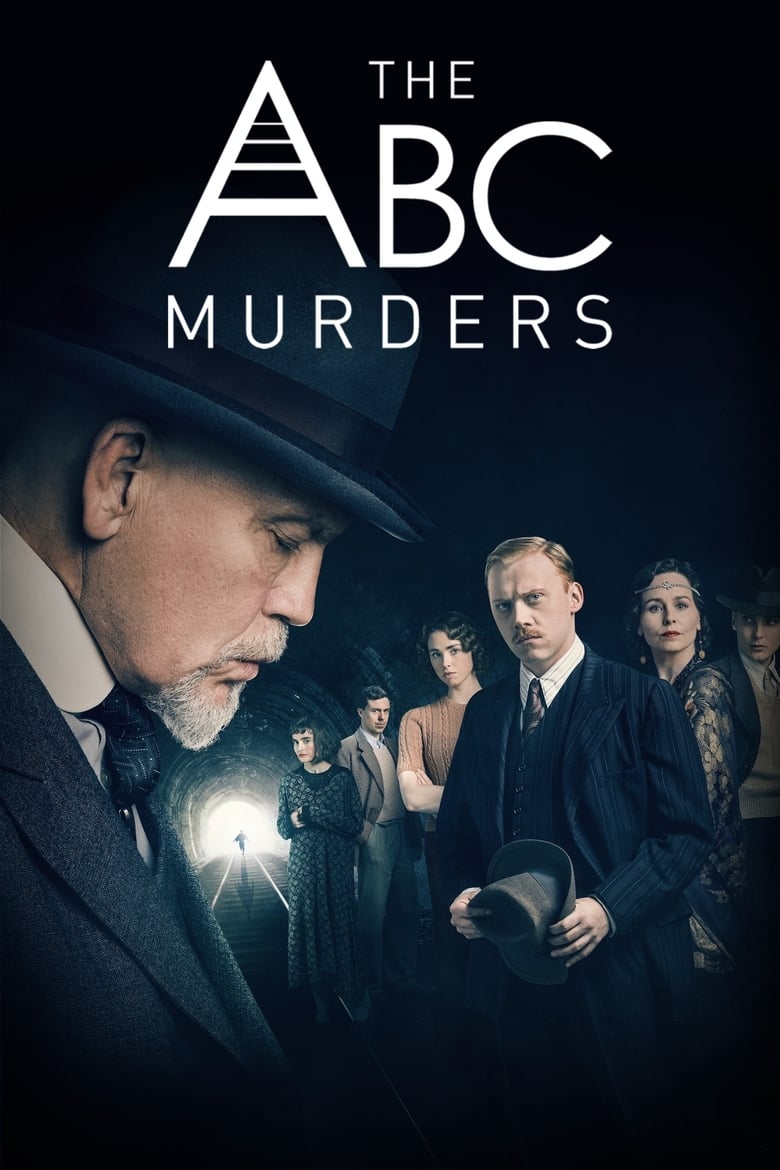
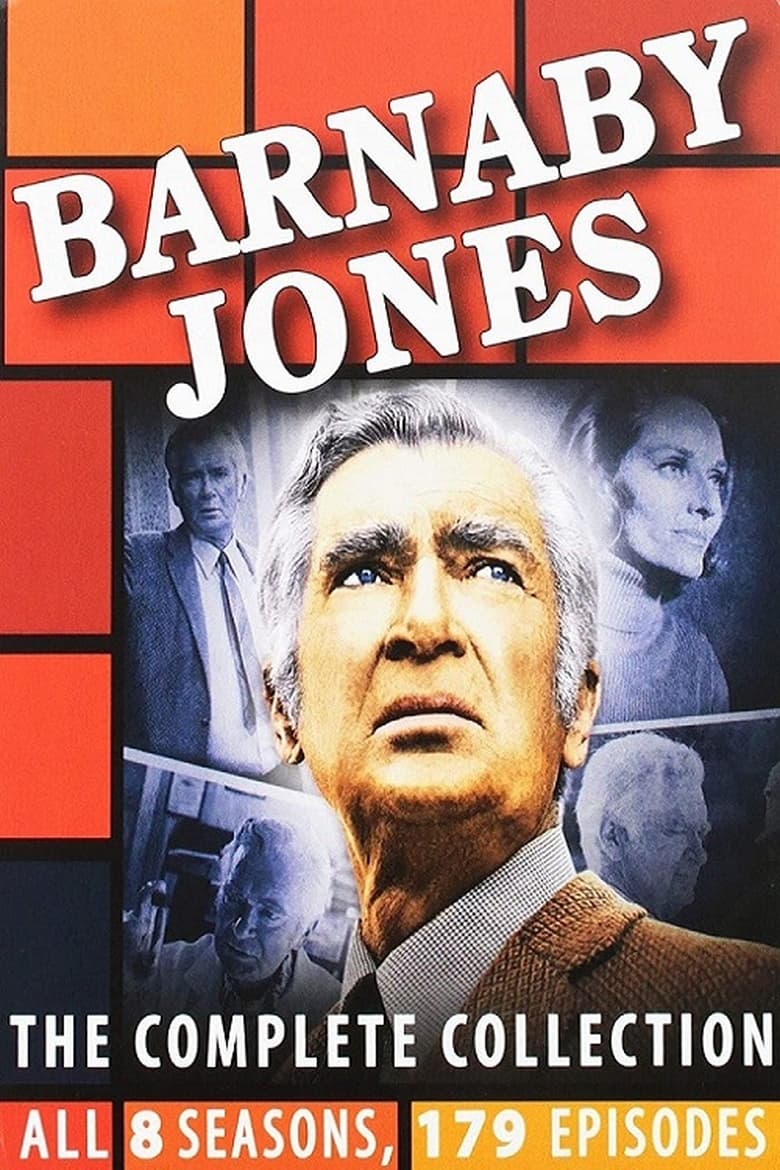
TMDB's suggestions for shows like Poirot include The ABC Murders (2018), Barnaby Jones (1973) and Murder in a Small Town (2024).
Like this, but

What other shows share a tag with Poirot?

83 other shows share the rarest tag below, premise: closed circle. Each tag opens Browse with the shows that share it.