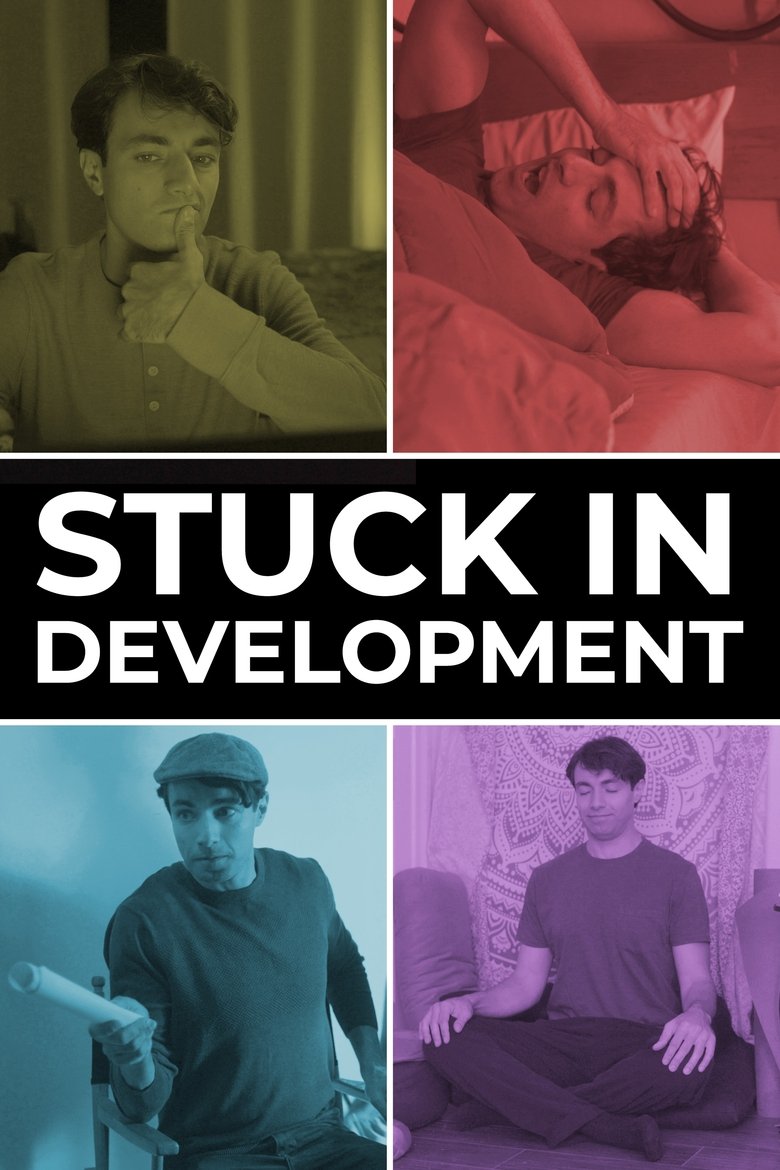
Three-act: Setup, confrontation, resolution — the default Hollywood shape.Resets each episode · 10% of showsStatus quo each season
ToneThe show holds its LA self-help material at a knowing distance, satirizing the earnestness of personal development while keeping a warm, playful tone.
The rideThe series maintains a consistently light, comedic mood with little variation in emotional pressure.
StructureStandard sitcom structure with self-contained episodes; no narrative devices like nonlinear storytelling.
Episode formatThe series is described as a comedy about a guy in LA, suggesting self-contained episodes where the status quo is restored (his dreams are still deferred, personal growth continues).
Season formatWith one season and ongoing, the premise (pursuing dreams but stuck in self-development) seems designed to continue without major arc change.
How it leaves you
what you carry away
FunFeel-good
Why it leaves you this wayLeaves you entertained and amused by the absurdity of LA self-help culture.
How it ends · evidence
Ambiguous ending
The series is ongoing, so no definitive ending yet; current status leaves Jared's dreams still deferred.
Story archetype
where it sits among all shows
Every story archetype, clockwise from the top
Monster 18%: Predator 7% · Tyrant 3% · Invasion 2% · Oppressive state 3% · Corporate villainy 1% · Institutional injustice 1% · Class system under 1% · Technology turns under 1% · Inner demon 1%
Rags 3%: Underdog triumph 2% · Social ascent 1% · Fame and fortune under 1% · Rise and fall under 1% · Hidden worth revealed under 1%
Quest 6%: Treasure hunt 1% · Rescue 2% · Mission 4% · Journey home under 1% · Pilgrimage under 1%
Voyage 2%: Portal fantasy under 1% · Fish out of water 1% · Survival ordeal under 1% · Time displacement under 1% · Descent under 1%
Comedy: Confusion and cross-purposes resolved into harmony. · Comedy of manners: Social codes and class satirized (Clueless).
12% of shows fit this archetype
Why this archetypeA sitcom satirizing LA self-help culture; each episode typically follows Jared's misadventures in personal growth rather than a conventional plot archetype, but the show's comedic structure fits the comedy archetype.
What it's about
7 groups · 53 themes
Every theme, clockwise from the top
Bonds 31%: Romantic love 10% · Marriage 2% · Family bonds 22% · Parenthood 1% · Friendship 18% · Loyalty 7%
Survival 9%: Survival 12% · War 1% · Violence 2% · Mortality 2% · Grief 4% · Trauma 5% · Mental illness under 1% · Addiction under 1% · Illness and disability under 1%
Society 10%: Community 25% · Isolation 3% · Prejudice 2% · Displacement 1% · Faith 1% · Tradition vs change 3% · Fame 5% · Legacy 3%
Ideas 5%: Fate 1% · Free will under 1% · Truth 6% · Hope 4% · Nature 3% · Art 2% · Technology 1%
Self
PurposeAmbition · 14% of shows
Satirizes its theme: Attacks its theme through ridicule.Intimate stakes: Consequences reach a person or a household.Single lead
How it treats its themeThe protagonist's search for a creative vocation is constantly deferred by his immersion in self-improvement, questioning what it means to have a calling.
StanceThe series appears to satirize LA self-improvement culture and the pursuit of purpose through endless personal development.
The world
ContemporaryUrbanDomesticRealistic
FolkExperimentalSupportive music · original score · Tracie Turnbull
SettingLos Angeles self-help and creative circles
MusicLikely an acoustic or quirky original score that complements the offbeat comedy.
Content guide
Is Stuck in Development okay for kids?
Ratings in 1 other countryRatings elsewhere
CACanada14+
No detailed content scores for this title yet.
What content warnings does Stuck in Development have?